
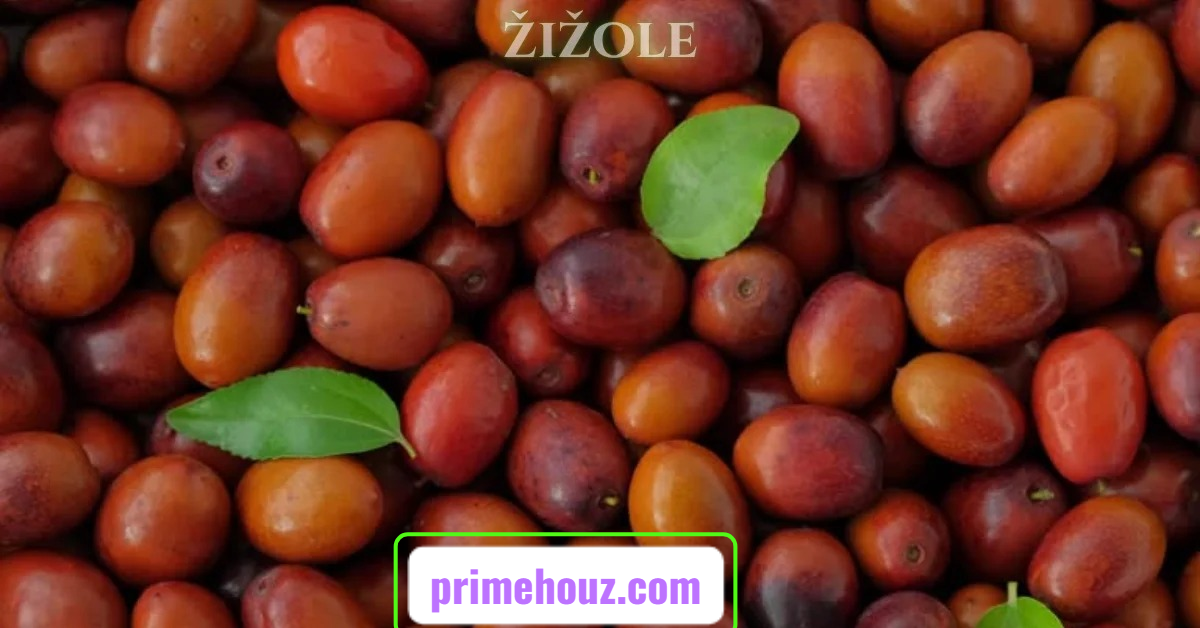
Žižole, a unique and often overlooked fruit, has influenced diets and traditions for centuries. Known for its distinct flavor, versatility, and rich nutrients, it has been cherished in culinary, cultural, and medicinal practices. Beyond taste, Žižole carries deep historical and cultural roots, woven into folklore, rituals, and seasonal customs. Its nutritional value and adaptability make it a prized part of traditional diets. Exploring Žižole opens a window into ancient practices, modern uses, and its ongoing relevance in food and culture.
Introduction
Žižole is a fruit that blends history, culture, and health in a single package. Its origins trace back to ancient communities that relied on it for sustenance and traditional medicine. Over centuries, the fruit became a symbol of resilience and cultural identity. From culinary creations to home remedies, Žižole has carved a unique niche. Its growing popularity reflects a renewed interest in natural, traditional foods that balance taste with nutrition. Discovering Žižole reveals its multifaceted role in human life, from rituals to modern kitchens.
What Are Žižole? A Complete Introduction
Žižole is a small, versatile fruit, often compared to dates for its sweet, rich taste. It grows on hardy plants capable of thriving in diverse climates, which explains its historical importance in remote and rural areas. Traditionally, communities harvested it seasonally, using it fresh, dried, or processed into pastes and preserves. Beyond food, Žižole had medicinal and symbolic uses, often appearing in folklore and celebrations. Its growing popularity today reflects both culinary innovation and respect for traditional practices.
Origins of Žižole: Historical and Cultural Background
The origins of Žižole stretch back centuries, tied closely to early agricultural settlements. It thrived in regions with well-drained soils and temperate climates. Historically, it was more than just a fruit—it symbolized abundance, health, and connection to the land. Families passed down cultivation techniques, ensuring its survival across generations. Traders and travelers spread Žižole beyond its native regions, introducing it to new cultures while preserving its traditional significance. Its journey highlights the intersection of agriculture, trade, and cultural heritage.
Cultural Significance of Žižole Across Regions
Žižole has held a revered place in rituals, seasonal festivals, and folklore. In some communities, it represented prosperity, while in others, it was used in medicinal preparations or offerings. Traditional songs, stories, and customs often featured the fruit, linking it to local identity and heritage. Its use in celebrations, weddings, and seasonal events showcases how a simple fruit can embody deep cultural meaning. Today, chefs and cultural enthusiasts continue to honor these traditions while innovating new ways to include Žižole in modern life.
Nutritional Profile of Žižole: Vitamins, Minerals & More
Žižole is nutrient-rich, packed with natural sugars, fiber, antioxidants, and essential vitamins like C and B-complex. Minerals such as potassium, magnesium, and iron contribute to overall wellness. Its high fiber content aids digestion and supports heart health, while antioxidants combat free radicals. Nutritional studies reveal that incorporating Žižole into diets can provide sustained energy and improve general vitality. These benefits, combined with its natural sweetness, make it a preferred choice for both traditional and modern culinary applications.
Health Benefits of Žižole You Should Know
Regular consumption of Žižole can support digestive health, boost immunity, and enhance energy levels. Its antioxidants and minerals promote cellular health, while its natural sugars provide a quick energy source without the crash associated with refined sugars. Some traditional practices also link Žižole to improved skin, heart, and bone health. Its holistic benefits, combined with its cultural and nutritional value, make Žižole a unique addition to diets for those seeking natural wellness solutions.
Also read this :Best Diag Image Guide With Examples, Uses, Tips And Tools
Culinary Uses of Žižole: From Traditional to Modern Recipes
In traditional cuisines, Žižole is used in desserts, stews, and preserves. Its sweet, rich flavor pairs well with nuts, grains, and dairy. Modern chefs have experimented with it in smoothies, baked goods, and energy bars. Its versatility allows it to be incorporated in both sweet and savory dishes. Homemade jams, syrups, and dried snacks made from Žižole provide convenient ways to enjoy the fruit year-round. The culinary possibilities highlight its adaptability and enduring appeal.
Žižole vs Dates: Key Differences and Benefits
While often compared to dates, Žižole has a distinct taste and nutrient composition. It is slightly less sweet but richer in certain minerals and antioxidants. Unlike dates, Žižole has a firmer texture and more complex flavor profile. Both fruits offer health benefits, but Žižole stands out for its cultural history, unique culinary applications, and adaptability across recipes. Understanding these differences helps in choosing the right fruit for nutrition, taste, and tradition.
Safety and Consumption Guidelines for Žižole
Žižole is generally safe for consumption but should be eaten in moderation due to natural sugars. Individuals with allergies or digestive sensitivities should introduce it gradually. Fresh, dried, or processed forms may vary in nutritional value, so sourcing high-quality, organic Žižole is recommended. Traditional preparation methods, such as boiling, drying, or blending, can enhance digestibility and flavor. Awareness of proper consumption ensures that Žižole can be enjoyed safely while maximizing its benefits.
Unique Taste and Texture of Žižole
The flavor of Žižole is sweet with subtle earthy undertones, complemented by a firm yet tender texture. When dried, it develops a richer, more concentrated sweetness that enhances desserts and preserves. Fresh Žižole offers a milder, juicier taste ideal for salads or snacks. Its sensory experience is often described as nostalgic by those who grew up with it, evoking memories of traditional dishes and seasonal harvests. This combination of taste and texture makes it an appealing ingredient in both home kitchens and gourmet creations.
Seasonal Availability and How to Source Žižole
Žižole is typically harvested during specific seasons when the fruit reaches peak ripeness. Fresh fruit may only be available locally during these months, while dried or preserved Žižole allows year-round access. Farmers’ markets, specialty grocers, and online retailers provide options for sourcing high-quality fruit. Choosing fresh, well-ripened Žižole ensures maximum flavor and nutritional content. Awareness of seasonality also connects consumers to traditional harvesting practices, fostering respect for the fruit’s natural cycles.
Adaptability and Uses of the Žižole Plant in Daily Life
Beyond its fruit, the Žižole plant itself has practical applications. Leaves, seeds, and bark are sometimes used in traditional remedies or natural crafts. The plant’s adaptability allows it to grow in various soil types, making it a sustainable choice for small-scale and community agriculture. Its resilience contributes to biodiversity, supports local ecosystems, and provides a source of income for rural farmers. These attributes make the Žižole plant not just a food source but a valuable component of sustainable living.
Žižole in Folklore, Traditions, and Cultural Practices
Many communities weave Žižole into myths, songs, and seasonal rituals. It often symbolizes fertility, abundance, or protection in folklore. Traditional ceremonies might include the fruit in offerings or as part of communal meals. These cultural narratives preserve generational knowledge and reinforce the fruit’s symbolic significance. Modern cultural revivalists continue to honor these traditions, demonstrating how Žižole bridges past and present through storytelling and practice.
Preserving and Storing Žižole: Tips for Home Use
Preservation methods such as drying, freezing, or creating jams extend the fruit’s shelf life. Dried Žižole retains most of its nutrients and can be stored for months, while fresh fruit requires careful handling to prevent spoilage. Traditional home preservation often involves natural techniques like sun drying or fermenting, which maintain both flavor and nutritional value. Proper storage allows households to enjoy Žižole year-round and reduces food waste.
Sustainability and the Future of Žižole in Traditional Diets
Renewed interest in natural and traditional foods has positioned Žižole as a sustainable alternative to processed snacks. Its low environmental footprint, adaptability to diverse climates, and cultural value make it a candidate for sustainable agriculture initiatives. Encouraging its cultivation can support local economies while preserving biodiversity. By integrating Žižole into modern diets responsibly, communities can honor tradition while promoting health and ecological balance.
Conclusion: Why Žižole Matters Today
Žižole is more than just a fruit—it is a testament to cultural heritage, nutritional wisdom, and culinary creativity. Its rich history, diverse uses, and health benefits make it relevant for contemporary diets. As people seek meaningful connections to food, traditions, and wellness, Žižole provides a bridge between past and present. Embracing this fruit supports sustainable practices, preserves cultural knowledge, and introduces a remarkable taste and nutritional profile to modern kitchens.
FAQs About Žižole
- What is Žižole?
Žižole is a small, nutritious fruit with historical and cultural significance, used in food, medicine, and rituals. - Is Žižole similar to dates?
While similar in sweetness, Žižole has a firmer texture and richer mineral content than dates. - What are the health benefits of Žižole?
It supports digestion, boosts immunity, provides energy, and contains antioxidants and essential vitamins. - How can I consume Žižole?
It can be eaten fresh, dried, in jams, baked goods, smoothies, or traditional dishes. - Is Žižole safe for everyone?
Yes, generally safe, but moderation is advised for those with digestive sensitivities or sugar concerns. - When is Žižole in season?
The fruit is seasonal, typically harvested when fully ripe; dried or preserved forms are available year-round. - How should Žižole be stored?
Fresh Žižole requires refrigeration; dried or preserved forms can be stored in airtight containers for months.
For more info :primehouz.com
