
A County Integrated Development Plan (CIDP) is a strategic framework used by county governments to guide socio-economic development. It outlines priorities, projects, and resource allocation over a five-year period, ensuring coordinated planning, budgeting, and monitoring. CIDPs promote sustainable growth by aligning local needs with national development goals, engaging communities, and providing a roadmap for infrastructure, health, education, and economic initiatives within the county.
A County Integrated Development Plan (CIDP) is an essential tool for planning and implementing development initiatives at the county level. It provides a structured approach to identify community needs, set priorities, and allocate resources effectively. By integrating economic, social, and environmental objectives, a CIDP ensures sustainable and inclusive growth. This article explores the purpose, components, preparation process, and impact of CIDPs, highlighting their role in aligning local development with national policies and enhancing citizen participation in planning and decision-making.
Introduction to County Integrated Development Plan and Its Significance
A County Integrated Development Plan (CIDP) is a comprehensive blueprint designed to guide the development trajectory of counties. It ensures that local governments plan, budget, and implement projects strategically over a five-year period. CIDPs play a vital role in coordinating development efforts across sectors such as health, education, infrastructure, and economic growth. By aligning county priorities with national development goals, CIDPs foster inclusive planning. They also encourage community participation, ensuring that local voices contribute to shaping policies and resource allocation effectively. Understanding CIDPs is crucial for policymakers, citizens, and development stakeholders.
he Historical Evolution of County Integrated Development Plans
The concept of CIDPs emerged from the need to decentralize governance and improve local development planning. Previously, development strategies were mostly top-down, often overlooking local needs and priorities. With the introduction of devolution, counties gained the authority to prepare integrated plans that reflect community aspirations. Over time, CIDPs evolved into structured documents encompassing socio-economic, infrastructural, and environmental considerations. They now serve as legally mandated tools for counties to plan systematically. This evolution has improved accountability, transparency, and citizen engagement in development processes across counties, making CIDPs a central pillar of local governance.
Core Objectives of a County Integrated Development Plan
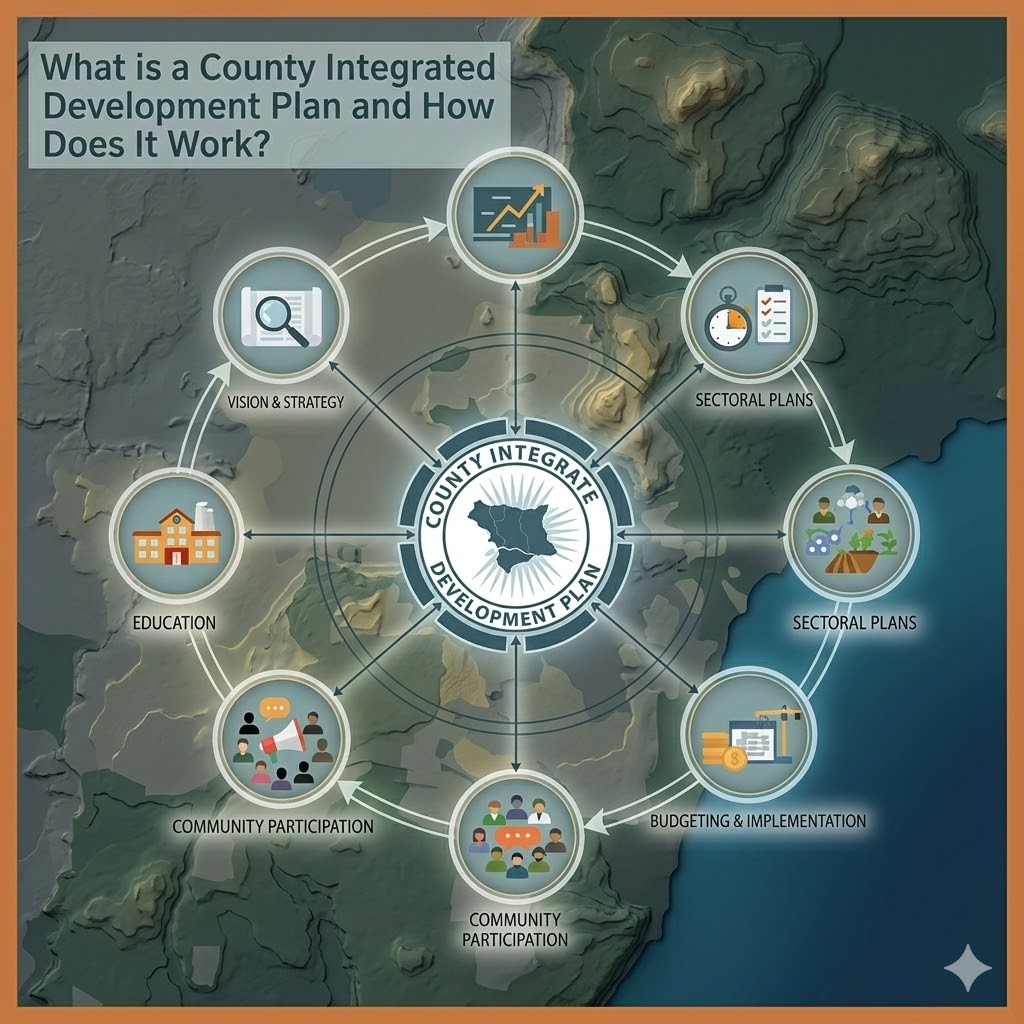
The main objectives of a CIDP include promoting sustainable development, guiding resource allocation, and ensuring socio-economic progress. CIDPs aim to identify key priorities across sectors and address local challenges effectively. They also integrate public participation mechanisms, allowing citizens to influence planning and decision-making processes. By providing a long-term perspective, CIDPs help counties avoid fragmented or ad-hoc development initiatives. Additionally, they ensure that county projects align with national development frameworks, improving coordination between local and central governments. Ultimately, CIDPs serve as tools for strategic planning, promoting efficiency, equity, and transparency in county governance.
Legal Framework Governing County Integrated Development Plans
CIDPs are prepared and implemented under the legal framework of national and county legislation. In Kenya, for instance, the County Governments Act and the Constitution mandate counties to develop integrated plans every five years. The legal framework specifies the content, approval process, and monitoring mechanisms for CIDPs. It ensures that counties engage citizens, coordinate with national development strategies, and follow standardized planning procedures. By embedding CIDPs within law, counties are held accountable for implementing approved plans. This framework also provides guidelines for reporting, evaluation, and auditing, ensuring that development objectives are pursued systematically and transparently.
Also read this: Fordítások Complete Guide for Accurate Professional Global Communication
Key Components of a County Integrated Development Plan
A well-structured CIDP includes several essential components. It begins with an analysis of the county’s socio-economic profile, highlighting demographics, infrastructure, and resource distribution. The plan outlines strategic priorities, sectoral objectives, and flagship projects. Budgeting and resource allocation sections define financial requirements and funding sources. Implementation strategies detail timelines, responsible agencies, and monitoring tools. Risk management and sustainability measures are also included to address environmental and social challenges. By encompassing all these elements, CIDPs provide a practical roadmap for coordinated development, enabling counties to achieve measurable results while enhancing governance and service delivery.
The Preparation Process of a County Integrated Development Plan
Preparing a CIDP involves several systematic steps, starting with data collection and analysis of county needs. Stakeholder engagement is crucial, including consultations with community members, civil society, and private sector actors. Strategic priorities are identified, and sectoral plans are integrated to ensure coherence. Drafting the plan requires technical expertise, ensuring it meets legal and regulatory standards. The draft undergoes review, public participation, and approval by the county assembly. Once approved, the plan guides budgeting, project implementation, and monitoring. This structured preparation process ensures that CIDPs are inclusive, evidence-based, and aligned with both local aspirations and national development goals.
Importance of Citizen Participation in County Integrated Development Plans
Citizen participation is a cornerstone of effective CIDPs, ensuring that development reflects community needs. Involving residents in consultations, surveys, and public hearings helps identify priorities that directly impact daily life. Participation enhances transparency, accountability, and trust between county governments and citizens. It also encourages civic engagement, empowering communities to monitor project implementation and resource use. Inclusive planning ensures that marginalized groups are considered, promoting equity in development outcomes. By integrating citizen input, CIDPs become more relevant, practical, and socially acceptable, creating a shared vision for sustainable growth and local development.
Role of Sectoral Coordination in Effective CIDPs
CIDPs achieve optimal impact when sectoral coordination is prioritized. Counties must align health, education, infrastructure, and economic development initiatives to avoid duplication or resource wastage. Sectoral coordination allows different departments to work collaboratively, share data, and implement complementary projects. It also ensures that interventions in one sector support objectives in another, such as integrating health programs with education and sanitation projects. Effective coordination strengthens governance, enhances resource utilization, and accelerates socio-economic development. Without it, counties risk fragmented planning, inconsistent service delivery, and missed opportunities to maximize development outcomes.
Monitoring and Evaluation Mechanisms for CIDPs
Monitoring and evaluation (M&E) are critical to the success of any County Integrated Development Plan. M&E involves tracking progress against objectives, timelines, and allocated budgets. Counties establish performance indicators, reporting systems, and review schedules to assess implementation effectiveness. Feedback from M&E activities informs adjustments, ensuring projects remain relevant and impactful. It also promotes accountability by documenting successes and challenges, making it easier for stakeholders to understand development progress. Robust M&E ensures that CIDPs are dynamic tools rather than static documents, capable of responding to emerging needs and continuously improving governance and service delivery.
Also read this: Trastel Complete Guide to Cloud Communication Solutions
Integration of CIDPs with National Development Goals
Aligning CIDPs with national development goals ensures coherent policy implementation across all levels of government. Integration allows counties to contribute to broader objectives such as economic growth, poverty reduction, and social equity. It facilitates funding from national programs and promotes technical support from central agencies. This alignment also enhances reporting, auditing, and evaluation processes. By ensuring that local projects complement national priorities, counties can maximize resource utilization and avoid conflicting initiatives. Integration strengthens the overall impact of development efforts, creating synergy between county-level initiatives and national aspirations for sustainable growth and improved citizen welfare.
Financing and Resource Mobilization for County Plans
Funding is a crucial aspect of implementing CIDPs effectively. Counties rely on budget allocations, donor support, public-private partnerships, and local revenue generation to finance projects. Strategic financial planning ensures that resources are allocated to priority sectors and flagship initiatives. Effective resource mobilization includes identifying alternative funding sources, optimizing expenditure, and ensuring transparency in financial management. Proper financing ensures timely implementation of projects and sustainability of programs. Without adequate funding, even the most comprehensive CIDP cannot achieve its objectives, highlighting the importance of financial planning as an integral part of development strategy.
Challenges Facing County Integrated Development Plans
CIDPs face several challenges that can hinder their effectiveness. Limited financial resources, inadequate technical capacity, and insufficient stakeholder engagement often impede planning and implementation. Political interference may also influence project prioritization, affecting objectivity. Poor coordination among sectors can result in fragmented initiatives, while delayed approvals or lack of public participation reduces accountability. Additionally, insufficient monitoring mechanisms may prevent timely adjustments to changing circumstances. Addressing these challenges requires capacity building, transparent governance, adequate funding, and active citizen involvement, ensuring that CIDPs fulfill their intended purpose of promoting sustainable, inclusive county development.
Success Stories and Lessons from Effective CIDPs
Several counties have successfully implemented CIDPs, demonstrating the benefits of strategic planning. Effective plans have led to improved infrastructure, enhanced service delivery, and increased citizen satisfaction. Lessons from these successes highlight the importance of data-driven planning, stakeholder engagement, and robust monitoring systems. Counties that integrate innovative approaches, such as technology adoption and public-private partnerships, achieve faster results. Learning from both successes and failures allows counties to refine future plans, optimize resources, and improve overall development outcomes. Success stories illustrate that well-prepared CIDPs can transform local governance and create lasting socio-economic impact for communities.
Future Trends in County Integrated Development Planning
The future of CIDPs includes increased digitization, real-time monitoring, and enhanced citizen participation through online platforms. Counties are likely to adopt smart planning tools, data analytics, and integrated project management systems. Emphasis on environmental sustainability, climate resilience, and inclusive growth will shape plan priorities. Collaboration with private sector partners and inter-county initiatives will enhance resource utilization and project impact. The evolution of CIDPs reflects growing recognition that strategic planning must be adaptive, evidence-based, and responsive to emerging challenges. These trends indicate a promising future for counties striving to achieve sustainable and equitable development.
Conclusion: Maximizing the Impact of County Integrated Development Plans
County Integrated Development Plans are essential instruments for guiding growth, allocating resources, and achieving sustainable development. By combining strategic planning, citizen engagement, and sectoral coordination, CIDPs provide a roadmap for inclusive and efficient governance. Their success depends on proper preparation, financing, monitoring, and alignment with national goals. Despite challenges, effective CIDPs improve service delivery, strengthen accountability, and enhance the overall quality of life for residents. Counties that prioritize planning, participation, and innovation are best positioned to realize the full potential of their integrated development initiatives, ensuring long-term socio-economic prosperity.
FAQs
Q1: What is a County Integrated Development Plan (CIDP)?
A CIDP is a five-year strategic plan used by counties to guide development projects, budget allocation, and resource distribution.
Q2: Why are CIDPs important for counties?
They promote coordinated growth, align local and national goals, and ensure community participation in development planning.
Q3: How often should a CIDP be updated?
CIDPs are updated every five years, although progress reviews and adjustments are done annually.
Q4: Who prepares a County Integrated Development Plan?
County governments, with input from technical experts, stakeholders, and citizens, prepare and approve CIDPs.
Q5: What sectors are covered in a CIDP?
CIDPs include health, education, infrastructure, economic development, environment, and social welfare initiatives.
Q6: How do citizens participate in CIDPs?
Through public consultations, surveys, hearings, and feedback mechanisms during drafting and implementation phases.
Q7: What challenges affect CIDP implementation?
Challenges include limited funding, poor coordination, political interference, insufficient technical capacity, and inadequate monitoring systems.
For more info: primehouz.com
