
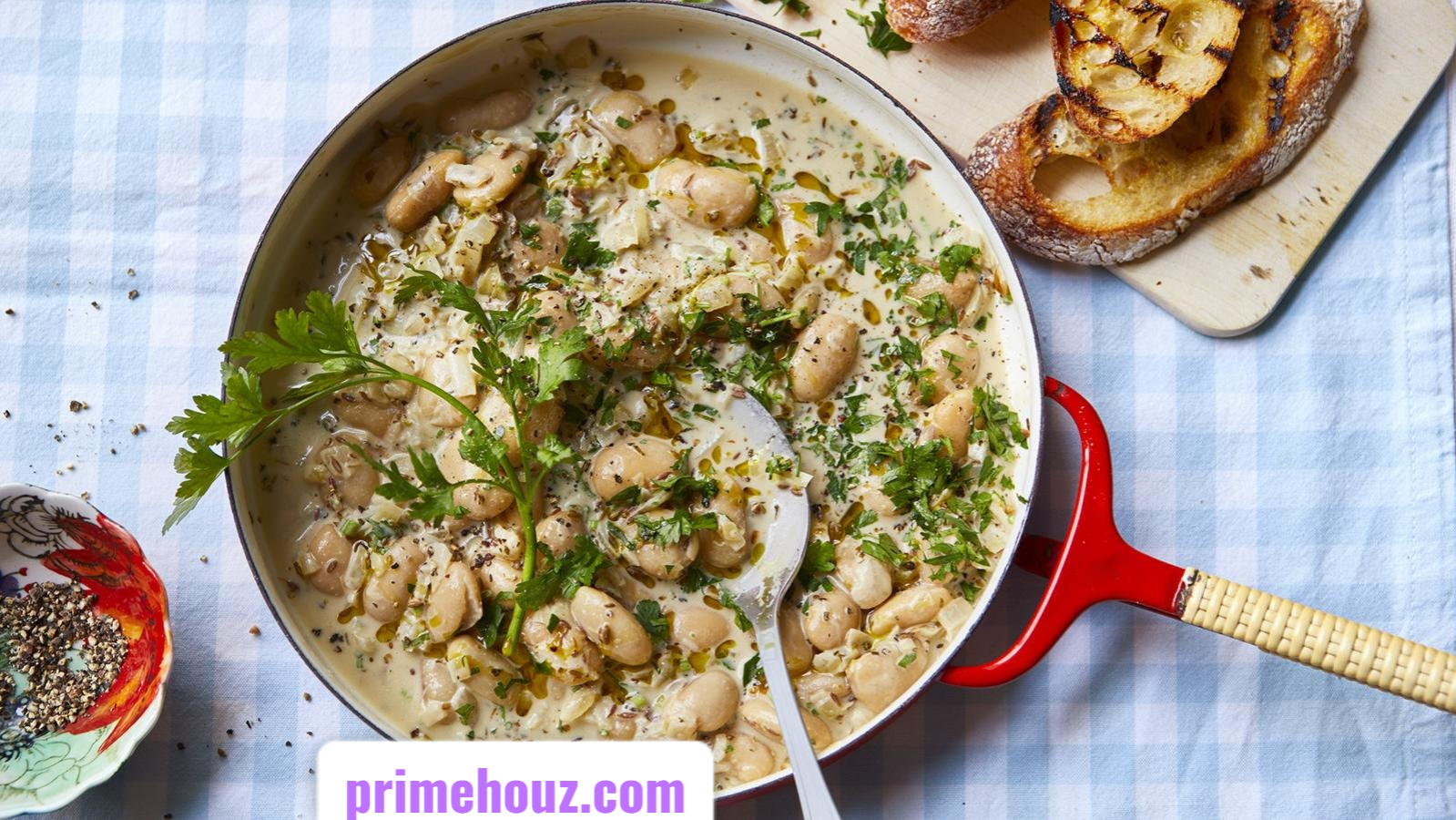
Tahini is a creamy paste made from sesame seeds, widely used in Middle Eastern cuisine. It adds a rich, nutty flavor to dips, sauces, spreads, and desserts. Packed with protein, healthy fats, vitamins, and minerals like calcium and magnesium, tahini is both nutritious and versatile. Its smooth texture enhances savory dishes like hummus, roasted vegetables, and salads, as well as sweet treats such as halva and cookies. Easy to store and use, tahini has become a global pantry staple, loved for its taste and health benefits.
Tahini is a traditional Middle Eastern sesame paste known for its nutty flavor and nutritional value. Made by grinding sesame seeds into a creamy consistency, it is a key ingredient in dishes like hummus, tahini sauce, and halva. Rich in protein, healthy fats, and essential minerals, tahini supports heart, bone, and overall health. This article explores its history, production methods, culinary uses, health benefits, storage tips, and comparisons with other nut butters. Whether used in sweet or savory recipes, tahini adds flavor, texture, and nutrition, making it a must-have kitchen staple worldwide.
What is Tahini?
Tahini is a creamy paste made from finely ground sesame seeds. Its rich, nutty flavor makes it a staple in Middle Eastern and Mediterranean cuisine. Often used in hummus, sauces, and spreads, it adds depth to both sweet and savory dishes. Tahini is plant-based and naturally vegan, making it ideal for health-conscious diets. Besides flavor, it offers protein, healthy fats, and essential minerals such as calcium, magnesium, and iron. Its versatility allows it to be blended into soups, dressings, and desserts, making tahini an indispensable ingredient in kitchens worldwide.
The History of Tahini
Tahini has been enjoyed for thousands of years across the Middle East. Records show sesame cultivation in Mesopotamia over 4,000 years ago, where tahini was prized for nutrition and shelf stability. Over centuries, it spread across the Mediterranean, North Africa, and Europe, becoming central to regional cuisines. Historically, it served as a reliable protein source and a flavorful addition to many dishes. Today, tahini is not only a cultural staple but also a global ingredient, appreciated for its nutty taste, health benefits, and culinary versatility. Its ancient origins continue to influence modern cooking traditions.
How Tahini is Made
Tahini is made by grinding sesame seeds into a smooth paste. Seeds can be roasted for a deeper, nuttier flavor or left raw for a milder taste. Some commercial varieties add oil to improve texture, but high-quality tahini typically contains only sesame seeds. The grinding process and seed quality determine the creaminess and flavor. Traditional methods involve mortar and pestle or stone grinders, while modern techniques use mechanical mills. The result is a nutrient-rich paste with healthy fats, protein, and minerals. Whether homemade or store-bought, fresh tahini offers the best taste and health benefits.
Health Benefits of Tahini
Tahini is packed with nutrients that support overall health. It contains healthy unsaturated fats that promote heart health and protein for muscle repair. Essential minerals like calcium, magnesium, and iron contribute to strong bones and energy metabolism. Tahini also contains antioxidants and anti-inflammatory compounds, which may help reduce chronic disease risks. Its inclusion in vegan and plant-based diets makes it a valuable protein source. When consumed in moderation as part of a balanced diet, tahini can improve cardiovascular health, support bone strength, and boost energy, making it both delicious and nutritious.
Also read this :Calamariere: The Ultimate Seafood Delicacy You Must Try
Culinary Uses of Tahini
In Savory Dishes
Tahini is essential in savory dishes such as hummus, baba ghanoush, and salad dressings. Its nutty flavor complements roasted vegetables, grains, and meats. Adding tahini to soups or stews enhances creaminess without dairy, creating rich, satisfying meals.
In Sweet Treats
Tahini is also used in desserts like halva, cookies, and cakes. Its natural nuttiness adds depth and a creamy texture to sweets. Combined with honey, chocolate, or nuts, tahini creates unique and indulgent flavors.
As a Dip or Spread
Tahini can be turned into a quick dip or spread by mixing it with lemon juice, garlic, and olive oil. It pairs perfectly with pita, vegetables, and falafel, making it versatile for snacks, appetizers, or sandwiches.
Popular Recipes with Tahini
Classic Hummus
Hummus blends chickpeas, tahini, lemon juice, and garlic into a creamy dip. Tahini gives hummus its signature flavor and smooth texture, making it a global favorite.
Tahini Sauce
Tahini sauce is made by mixing tahini with water, lemon juice, and spices. It’s perfect for drizzling on salads, roasted vegetables, and grilled meats.
Halva
Halva is a sweet Middle Eastern treat made from tahini and sugar or honey. It has a crumbly, dense texture and is often combined with chocolate, nuts, or spices for added flavor.
How to Choose and Store Tahini
High-quality tahini should list sesame seeds as the only ingredient. Check for smooth texture and a natural nutty aroma. Store in a cool, dark place in an airtight jar; refrigeration can extend freshness. Stir before use, as oil separation is natural. Proper storage ensures flavor and prevents rancidity, making tahini ready to use whenever needed.
Tahini vs Other Nut Butters
Tahini differs from peanut or almond butter in texture, flavor, and nutrition. It has a thinner consistency and a more pronounced, earthy taste. Tahini is lower in sugar and provides minerals like calcium and magnesium. Its versatility allows it to be used in both sweet and savory recipes, unlike many nut butters that are primarily spreads.
Tahini Around the World
Tahini is no longer limited to the Middle East. It is now popular in Europe, North America, and Asia, featured in both traditional recipes and modern fusion dishes. Health-conscious and vegan diets have further boosted its global popularity. From sauces to desserts, tahini continues to inspire chefs and home cooks alike, offering unique flavor and nutrition across cuisines.
Conclusion & Call-to-Action
Tahini is a versatile, nutritious, and flavorful ingredient that enhances both sweet and savory dishes. From hummus to halva, it offers health benefits, rich taste, and global culinary appeal. Understanding its history, uses, and storage tips ensures you get the most from this Middle Eastern staple. Incorporate tahini into your meals today and enjoy its nutty flavor and health-boosting benefits!
10. FAQs
1. What is the difference between raw and roasted tahini?
Raw tahini is mild, roasted tahini is nutty and deeper in flavor.
2. Is tahini vegan-friendly?
Yes, it is completely plant-based.
3. Can tahini be frozen?
Yes, freezing extends shelf life with slight texture changes.
4. How much tahini should I eat daily?
1–2 tablespoons is sufficient for nutrients without excess calories.
5. Can tahini help with heart health?
Yes, its unsaturated fats support cardiovascular health.
6. Is tahini gluten-free?
Pure tahini is naturally gluten-free; check labels for additives.
7. Can I use tahini in smoothies?
Yes, it adds creaminess, protein, and nutty flavor.
For more info :primehouz.com
