
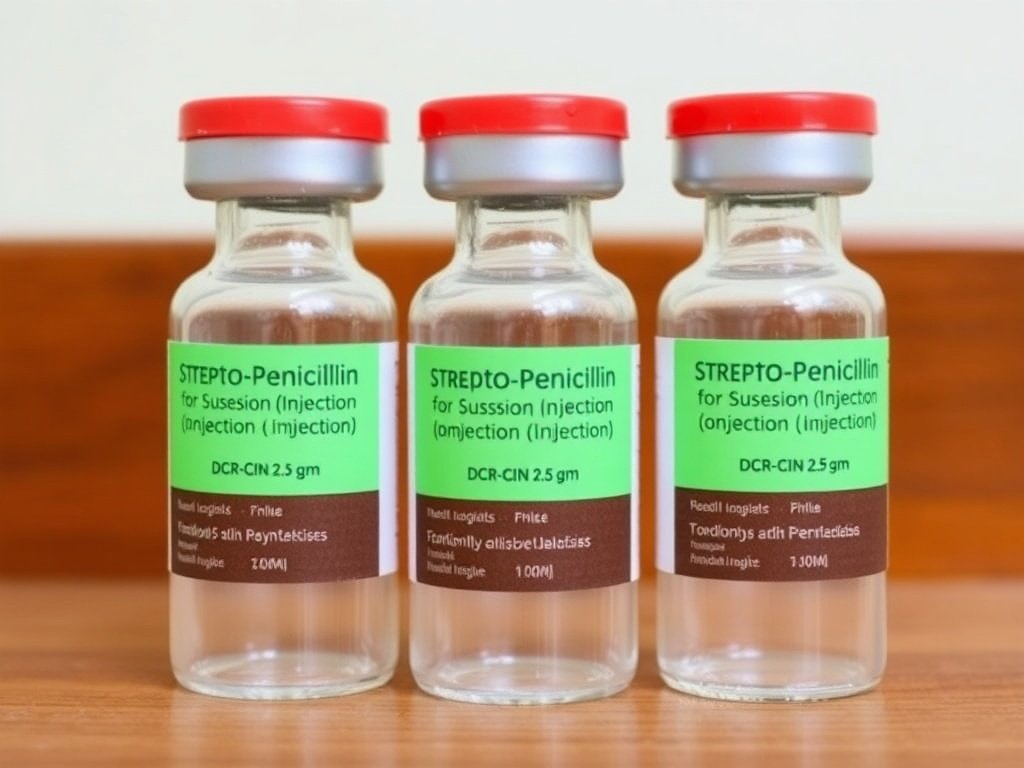
Strepto Penicillin is a widely used antibiotic that effectively treats Streptococcus infections in humans and animals. By targeting bacterial cell walls, it kills the bacteria causing illnesses like strep throat, scarlet fever, and certain veterinary infections. Its proper use, dosing, and medical supervision are crucial to ensure safety, prevent side effects, and reduce the risk of antibiotic resistance, making it a trusted treatment worldwide.
Strepto Penicillin is a cornerstone antibiotic for fighting Streptococcus infections in both humans and animals. Its bactericidal action disrupts bacterial cell walls, leading to rapid recovery while minimizing harm to host tissues. Used in clinics and veterinary medicine, it treats conditions ranging from strep throat to livestock infections. Understanding its mechanism, effectiveness, dosage guidelines, and potential side effects is key for optimal results. This article explores the clinical and veterinary applications of Strepto Penicillin, discusses resistance concerns, and provides case studies to highlight its enduring relevance in modern medicine.
Introduction to Strepto Penicillin: What You Need to Know
Strepto Penicillin is a trusted antibiotic that has been used for decades to treat infections caused by Streptococcus bacteria. These infections can range from mild conditions like strep throat to more severe illnesses affecting the skin, blood, or internal organs. Its effectiveness lies in its ability to specifically target bacterial cell walls, killing the bacteria without harming human or animal tissues. Proper administration and medical guidance are essential to ensure full recovery and minimize the risk of complications. Its affordability and safety profile have made it one of the most widely prescribed antibiotics globally.
Understanding Streptococcus Infections and Their Treatment Options
Streptococcus bacteria can infect the throat, skin, and other parts of the body, leading to conditions such as tonsillitis, scarlet fever, and cellulitis. Symptoms often include fever, sore throat, rashes, and fatigue. Strepto Penicillin remains a first-choice treatment due to its proven ability to eliminate the bacteria quickly and safely. While alternative antibiotics exist, Penicillin continues to be preferred because of its effectiveness, low cost, and well-established safety profile. Early diagnosis and prompt treatment are critical to prevent complications and reduce the spread of infections within communities.
How Strepto Penicillin Works: Mechanism Explained Simply
The primary action of Strepto Penicillin is to interfere with the formation of the bacterial cell wall, which is vital for the bacteria’s survival. Without a properly functioning cell wall, the bacteria cannot maintain its structure and eventually bursts, leading to cell death. This mechanism ensures that the infection is eliminated efficiently, while human and animal cells remain largely unaffected. Correct dosing is essential, as underdosing or incomplete treatment can contribute to antibiotic resistance. This targeted approach explains why Strepto Penicillin has remained a reliable treatment for decades.
Different Types of Penicillin Used for Streptococcal Infections
Several forms of Penicillin are used to treat Streptococcus infections. Penicillin G is typically administered intravenously for severe or hospital-based infections, while Penicillin V is an oral form used for milder cases such as strep throat. Amoxicillin is often prescribed in pediatric patients due to its ease of administration and taste. Each type has unique advantages depending on the patient’s age, condition severity, and treatment setting. All variants, however, share the same mechanism of disrupting bacterial cell walls, which makes them highly effective against Streptococcus bacteria.
Common Conditions Effectively Treated with Strepto Penicillin
Strepto Penicillin is prescribed for a wide range of infections. In humans, it is most commonly used for strep throat, tonsillitis, scarlet fever, and skin infections such as impetigo. In animals, it is used to treat respiratory infections, wound infections, and systemic bacterial diseases in livestock and pets. Its ability to target the bacteria while minimizing harm to host tissues ensures rapid recovery. Clinical studies consistently show high recovery rates when the antibiotic is used properly, highlighting its continued importance in medical and veterinary practice.
Clinical Effectiveness: Success Rates and Treatment Insights
Clinical evidence supports Strepto Penicillin as a highly effective antibiotic against most Streptococcus strains. Recovery rates for conditions such as strep throat exceed 90% when the drug is administered according to prescribed guidelines. Early intervention, proper dosing, and patient adherence are crucial factors that determine success. While resistance remains a concern, it is currently lower for Penicillin compared to other antibiotics. Ongoing monitoring, patient education, and responsible prescription practices help maintain its effectiveness and ensure continued positive outcomes in both humans and animals.
Antibiotic Resistance: Challenges Facing Strepto Penicillin Today
Although Strepto Penicillin remains largely effective, overuse and misuse have led to emerging resistance in some bacterial populations. Completing the full course of treatment and avoiding unnecessary prescriptions are critical to reducing resistance risks. Health authorities worldwide monitor resistance trends closely, particularly in clinical and veterinary settings. Responsible use ensures the continued reliability of Penicillin, protecting public health and sustaining its role as a first-line treatment for Streptococcus infections. Patients and veterinarians must work together to use the drug responsibly.
Also read this :Health ThreeTrees VN: Secret System to Achieve Total Wellness
Safety Profile and Side Effects: What Patients Should Know
Strepto Penicillin is generally safe and well-tolerated. Mild side effects may include nausea, diarrhea, or a rash, while severe allergic reactions are rare but possible. Individuals with a known allergy to Penicillin must avoid its use and seek alternatives. In veterinary medicine, monitoring for side effects is equally important, particularly in young or sensitive animals. Following professional guidance ensures that treatment is both safe and effective. Awareness of potential reactions and timely reporting can prevent complications and enhance the overall safety of Strepto Penicillin therapy.
Proper Dosage and Administration Guidelines for Adults and Children
Dosage of Strepto Penicillin varies depending on the patient’s age, weight, and the severity of the infection. Adults typically receive Penicillin V at 250–500 mg every 6–8 hours, while children receive weight-based doses of 20–50 mg per kilogram per day. Veterinary dosages are calculated according to species and body weight. Completing the full course is essential even if symptoms improve early, as stopping treatment prematurely can lead to relapse and encourage antibiotic resistance. Correct administration ensures maximum effectiveness and minimizes risks.
Strepto Penicillin in Veterinary Medicine: Uses and Benefits
Strepto Penicillin is widely used in animals to treat infections that can affect livestock productivity or pet health. In livestock, it reduces mortality from respiratory and systemic infections, ensuring better growth and overall herd health. Pets such as dogs and cats benefit from effective treatment of skin infections and other bacterial illnesses. Veterinary use emphasizes precise dosing, observation for side effects, and adherence to withdrawal periods in food-producing animals to maintain safety for both animals and humans. This careful application preserves the antibiotic’s effectiveness and reliability.
Case Studies: Real-Life Success Stories in Human and Animal Care
Numerous cases highlight the effectiveness of Strepto Penicillin. In humans, children with severe strep throat often recover completely within five days when treated with Penicillin V. In veterinary practice, dairy farms treating mastitis outbreaks in cows have reported infection reduction rates of up to 80% using Strepto Penicillin. These examples demonstrate the importance of early treatment, adherence to dosage schedules, and professional supervision. Real-world evidence consistently shows that when used properly, Strepto Penicillin provides fast, safe, and effective recovery for both humans and animals.
Alternative Antibiotics to Strepto Penicillin: Pros and Cons
For patients who are allergic to Penicillin, alternative antibiotics such as macrolides, cephalosporins, or clindamycin may be used. While effective, these drugs may carry different side effects, such as gastrointestinal upset or increased resistance risks. They are usually prescribed under professional supervision to ensure the correct choice and dosage. Alternatives should be considered only when Penicillin is not suitable, as Strepto Penicillin remains the preferred first-line treatment for Streptococcus infections due to its proven safety, affordability, and clinical success rates.
Public Health Importance: How Strepto Penicillin Impacts Communities
Strepto Penicillin plays a vital role in controlling the spread of Streptococcus infections in communities. By treating infections early, it reduces the risk of complications such as rheumatic fever or heart infections and prevents outbreaks in schools, hospitals, and farms. Globally, it remains a cost-effective antibiotic accessible to both developed and developing regions. Responsible use not only protects individual patients but also contributes to overall public health, maintaining the drug’s efficacy for future generations.
Future Outlook: Will Strepto Penicillin Remain a First-Line Treatment?
Despite concerns about antibiotic resistance, Strepto Penicillin is expected to remain a first-line treatment due to its proven effectiveness, safety, and affordability. Research continues to optimize dosing, improve treatment protocols, and implement antibiotic stewardship programs. These efforts aim to preserve its role in both human and veterinary medicine. With proper use, monitoring, and public education, Strepto Penicillin will likely remain a cornerstone in the fight against Streptococcus infections for years to come.
Conclusion: Maximizing Benefits Through Proper Use and Awareness
Strepto Penicillin continues to be an essential tool in treating Streptococcus infections in humans and animals. Its effectiveness, safety profile, and affordability make it indispensable in clinical and veterinary medicine. Proper dosing, adherence to the full course, and awareness of potential side effects are critical for achieving the best outcomes. Consulting healthcare professionals before use ensures safety and maximizes benefits. Responsible antibiotic use protects both individual health and public safety, highlighting the enduring relevance of Strepto Penicillin as a trusted treatment option.
FAQs
1. What infections does Strepto Penicillin treat?
Strepto Penicillin treats strep throat, scarlet fever, skin infections, and certain veterinary bacterial infections.
2. Can children safely take Strepto Penicillin?
Yes, children can take it under medical supervision with weight-based dosing.
3. What are the common side effects of Strepto Penicillin?
Mild nausea, diarrhea, or rash may occur, while severe allergic reactions are rare.
4. Is Strepto Penicillin effective against resistant bacteria?
It remains highly effective, though proper use is key to preventing resistance.
5. How is Strepto Penicillin used in veterinary medicine?
It treats respiratory, skin, and systemic infections in livestock and pets with precise dosing.
6. What alternatives exist if allergic to Penicillin?
Macrolides, cephalosporins, or clindamycin may be used under professional supervision.
7. How can Strepto Penicillin prevent public health complications?
By treating infections early, it reduces the spread of disease and prevents severe complications like rheumatic fever.
For miore info :primehouz.com
