
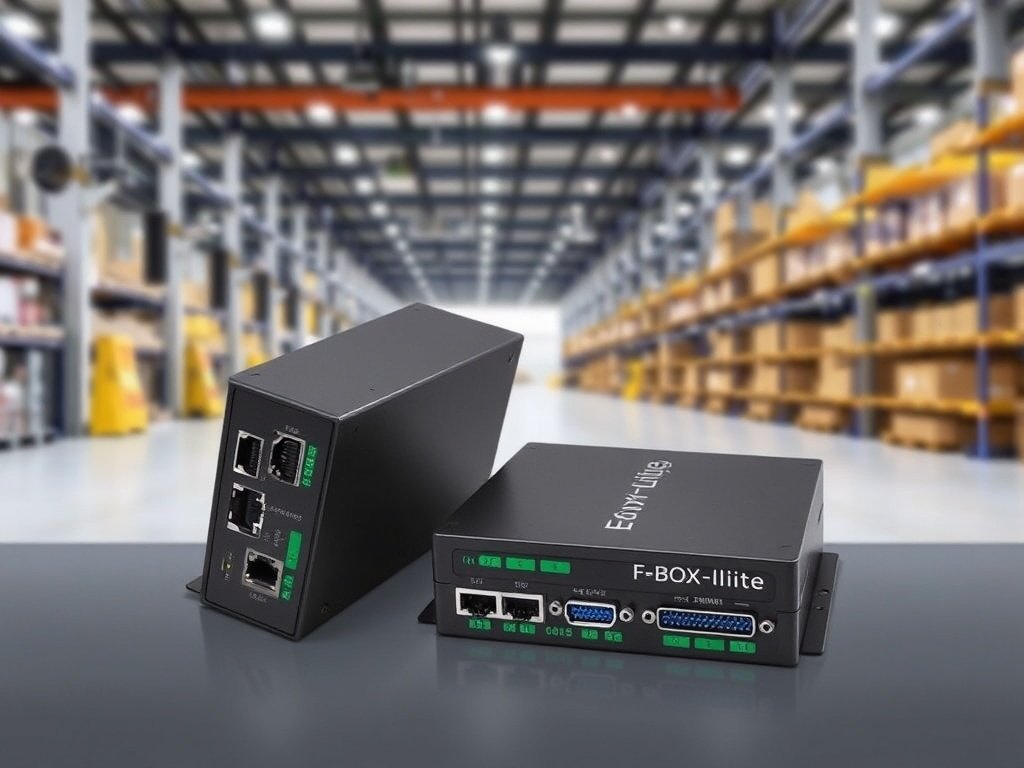
FBox is a versatile device that simplifies media streaming, data management, and smart home connectivity. It allows seamless integration of multiple platforms, enabling users to access content, control devices, and optimize performance efficiently. Whether for home entertainment or professional use, FBox offers a reliable and user-friendly solution for modern digital needs.
FBox is a multifunctional platform designed to enhance digital experiences for both personal and professional use. This comprehensive guide explores its features, installation process, compatibility, and optimization tips. Users can learn how to maximize its performance for streaming, storage, and smart home automation. The article also highlights real-world applications, security considerations, and troubleshooting methods, ensuring a practical understanding of FBox for users at any technical level.
What is FBox and Why It Matters
FBox is a compact and versatile device that merges the functionalities of a media hub, storage system, and smart home controller. It allows users to stream digital content, manage files efficiently, and integrate smart devices into a unified platform. Unlike traditional devices that focus on a single function, FBox consolidates multiple tools, saving both space and time. Its adaptability makes it ideal for users seeking a streamlined digital environment. The device’s intuitive interface reduces the learning curve, allowing even non-technical users to explore advanced features. With FBox, digital management, entertainment, and automation converge, creating a seamless ecosystem that responds to modern lifestyle needs. For businesses and households alike, its combination of flexibility, performance, and simplicity positions it as a go-to solution for versatile technological applications.
Key Features of FBox
The primary appeal of FBox lies in its extensive feature set. It supports high-definition streaming, local and cloud storage management, and compatibility with various smart devices. Users can customize workflows through intuitive menus, controlling lighting, security cameras, and media playback from one interface. FBox often includes AI-driven recommendations for content and system optimization, improving efficiency. Its connectivity options, including Wi-Fi, Ethernet, and Bluetooth, allow seamless integration with other gadgets. Additionally, built-in security features protect against unauthorized access, ensuring data privacy. The combination of portability, power, and versatility makes FBox a practical choice for both home and office environments. Users seeking a single device that can perform multiple tasks find FBox particularly valuable. Regular firmware updates keep it current with new applications and performance improvements.
Benefits of Using FBox
FBox offers numerous advantages that make it a worthwhile investment. By centralizing media and smart device control, it eliminates the need for multiple separate gadgets. This consolidation simplifies daily routines, reduces clutter, and enhances efficiency. Its user-friendly interface ensures smooth navigation, even for beginners. The device’s compact design is perfect for small spaces, while its processing power supports high-quality streaming without lag. Advanced features, such as automation scripting, allow personalized routines that save time and energy. Security and privacy controls give peace of mind when storing sensitive information. Additionally, FBox’s compatibility with various software and devices ensures flexibility and adaptability. Whether optimizing home entertainment or managing professional setups, FBox provides a balance of performance, convenience, and reliability that traditional devices often cannot match.
Installation Process and Setup Tips
Setting up FBox is straightforward and requires minimal technical knowledge. Begin by connecting the device to power and network sources, either via Wi-Fi or Ethernet. Follow on-screen prompts to configure language, region, and account settings. Users can then link smart devices and applications through the FBox interface. Optimizing storage allocation and network preferences ensures efficient operation. For advanced users, adjusting streaming quality, parental controls, and automation routines can enhance usability. Firmware updates during setup are essential to maintain security and performance. Positioning the device in a central location improves connectivity for multiple devices. Troubleshooting during installation is minimal due to the clear guidance provided by FBox software. Following these steps carefully guarantees a stable, efficient, and secure setup that maximizes the device’s full potential.
FBox for Media Streaming
One of FBox’s strongest uses is high-definition media streaming. Users can access platforms such as Netflix, YouTube, and Hulu seamlessly. The device supports 4K resolution, surround sound, and fast buffering, ensuring an immersive experience. Its interface allows content categorization, search optimization, and quick recommendations based on viewing habits. Integration with smart TVs, projectors, and sound systems further enhances entertainment options. FBox also supports local content playback from USB drives or networked storage. The ability to stream multiple formats and codecs makes it a universal solution for various media needs. Users benefit from minimal lag, reliable connectivity, and customizable playback settings. FBox’s versatility positions it as a hub for both casual viewing and professional presentations, making it a multifunctional entertainment center.
Also read this: Mastering Slope Unblocked 76: Ultimate Guide for Gameplay & Tips
Data Management Capabilities
FBox excels as a data management solution. Users can store, organize, and access files locally or in the cloud. Its interface allows tagging, sorting, and backup scheduling, ensuring critical data is always protected. The device supports multiple formats and large file transfers without compromising speed or reliability. Encryption options and secure user access safeguard sensitive information. Integration with external storage, NAS devices, and cloud services increases storage flexibility. Automatic synchronization ensures that files remain updated across devices. For businesses, FBox can streamline workflow management by consolidating file access into a single platform. Its organizational tools reduce redundancy and improve efficiency. Users can also leverage analytics to monitor storage usage and optimize system performance, making FBox a smart choice for data-intensive tasks.
FBox in Smart Home Automation
FBox can serve as a central controller for smart homes. Compatible with lights, thermostats, security cameras, and door locks, it allows unified management from a single interface. Automation routines can be scheduled, such as turning off lights when leaving home or adjusting thermostat settings based on weather conditions. Voice assistant integration adds convenience and hands-free control. The device monitors connected devices for errors and security issues, providing real-time alerts. Energy consumption can be tracked and optimized, saving both cost and environmental impact. FBox’s scalability allows users to add devices gradually, adapting to growing smart home ecosystems. By combining security, efficiency, and convenience, FBox becomes an essential component of modern smart living.
Security and Privacy Features
Security is a priority for FBox. The device uses encryption to protect both stored data and communication with connected devices. Access control features restrict unauthorized usage, while firewall integration safeguards the network. Regular software updates patch vulnerabilities, and AI-driven monitoring detects suspicious activities. Users can create multiple profiles with distinct permissions, enhancing security in shared environments. Cloud backups use encrypted channels, ensuring privacy even if local hardware fails. For professionals handling sensitive information, FBox provides compliance-friendly storage solutions. Its robust approach to privacy and security ensures confidence in digital operations. Combining convenience with stringent safeguards makes FBox ideal for both home and business use.
FBox Compatibility with Devices and Platforms
FBox is compatible with a wide array of devices and platforms. From smart TVs and smartphones to gaming consoles and PCs, integration is seamless. It supports major operating systems including Windows, macOS, Android, and iOS, ensuring interoperability. Network protocols like Wi-Fi, Ethernet, and Bluetooth allow fast connectivity and device synchronization. Third-party app support expands its functionality, enabling users to customize their digital ecosystem. The device also works with popular cloud services for backup and streaming. Compatibility testing ensures smooth communication with emerging technologies. Users can link multiple FBox units in larger setups for enhanced performance. This adaptability ensures that FBox remains relevant in rapidly evolving digital landscapes.
Troubleshooting Common Issues
While FBox is designed to be user-friendly, minor issues may arise. Connectivity problems are often resolved by rebooting the device or router. Slow performance can be improved by optimizing storage and reducing background processes. Firmware updates may be necessary to fix bugs or enhance compatibility. For streaming issues, adjusting resolution or checking network bandwidth is recommended. Device integration errors can often be fixed by re-pairing or resetting individual components. Support forums and official help guides provide step-by-step instructions for advanced troubleshooting. Keeping the device updated and following recommended usage guidelines minimizes issues. FBox’s responsive design ensures that even technical challenges are manageable for non-expert users.
Performance Optimization Tips
Maximizing FBox performance involves proper setup, regular updates, and efficient resource management. Users should allocate storage carefully, avoid overloading applications, and maintain network stability. Enabling AI-driven optimization features can enhance streaming and automation efficiency. Proper placement improves Wi-Fi range and reduces interference with other devices. Scheduled backups ensure data integrity while minimizing system lag. Customizing automation routines for specific usage patterns improves energy efficiency and device responsiveness. Monitoring analytics helps detect potential performance bottlenecks. By following these steps, users can maintain smooth operation, reduce downtime, and fully exploit FBox capabilities for both entertainment and productivity purposes.
FBox for Professional Use
Businesses can leverage FBox as a multipurpose tool for presentations, file management, and collaborative projects. High-quality streaming supports webinars, video conferences, and media-heavy presentations. Centralized data management simplifies document sharing, reduces duplication, and improves workflow. Automation features can control office lighting, HVAC, and security systems, enhancing efficiency. The device’s scalability allows organizations to expand usage as operations grow. Robust security features protect sensitive business data, while cloud integration ensures accessibility from multiple locations. FBox’s reliability and adaptability make it an excellent addition to modern offices, providing both operational and technological advantages over traditional setups.
Cost Considerations and Value
While FBox is priced higher than single-purpose devices, its multifunctionality offers excellent long-term value. Users save money by reducing the need for multiple gadgets for streaming, data storage, and smart home control. Energy efficiency and automation routines also lower operating costs over time. Compatibility with existing devices minimizes additional investments. The investment is particularly worthwhile for tech-savvy users seeking a centralized, reliable, and future-proof solution. Considering its broad range of features, security protocols, and performance optimization, FBox represents a cost-effective strategy for individuals and businesses aiming for convenience, reliability, and efficiency.
Real-World Applications and User Experiences
Many users report that FBox significantly simplifies digital life. Home users appreciate seamless streaming and smart device integration, while businesses benefit from centralized file access and automated operations. Professional content creators utilize FBox for high-quality media editing and distribution. Its reliability in managing multiple devices concurrently has been praised. Feedback indicates that the combination of ease-of-use, performance, and security creates a unique value proposition. Continuous firmware updates and responsive customer support further enhance user satisfaction. Real-world usage demonstrates that FBox is more than a gadget—it’s a complete ecosystem that adapts to diverse digital needs, making it a practical and efficient choice for a wide range of scenarios.
Future of FBox Technology
As technology evolves, FBox is expected to integrate advanced AI, improved energy efficiency, and enhanced cross-platform compatibility. Cloud computing and edge processing could further optimize performance for real-time automation and streaming. Expansion in smart home markets will likely see increased device interoperability. User feedback continues to influence firmware and feature enhancements, ensuring that FBox evolves according to practical needs. Its adaptability positions it as a forward-looking platform capable of supporting emerging digital trends. With continuous innovation, FBox aims to remain a central hub for home and professional ecosystems, bridging gaps between convenience, performance, and security in the digital age.
Conclusion
FBox stands out as a versatile, user-friendly, and secure platform for streaming, storage, and smart home integration. Its multifunctional design consolidates numerous devices into a single ecosystem, offering convenience, efficiency, and adaptability. From media enthusiasts to professional users, FBox caters to diverse digital needs with minimal complexity. Regular updates, performance optimization, and robust security make it a reliable long-term investment. Whether enhancing home entertainment or streamlining business operations, FBox provides a comprehensive solution that integrates technology seamlessly into daily life. Its innovative approach ensures users can enjoy both convenience and control, making it a valuable addition to any digital setup.
FAQs About FBox
Q1: What is FBox used for?
FBox is used for streaming media, managing files, and controlling smart home devices from a single interface.
Q2: How do I set up FBox?
Connect it to power and Wi-Fi, follow on-screen prompts, and link devices through the interface.
Q3: Is FBox compatible with all smart devices?
It supports most popular devices, including smart TVs, lights, thermostats, and security systems.
Q4: Can FBox handle high-definition streaming?
Yes, it supports 4K and HD content with minimal buffering and smooth playback.
Q5: How secure is FBox for sensitive data?
It uses encryption, access controls, and secure cloud backups to protect data and privacy.
Q6: Can businesses use FBox professionally?
Absolutely, it helps with presentations, file management, collaboration, and office automation.
Q7: How do I troubleshoot common FBox issues?
Restart the device, update firmware, optimize network, and re-pair devices if needed.
For more info: primehouz.com
