
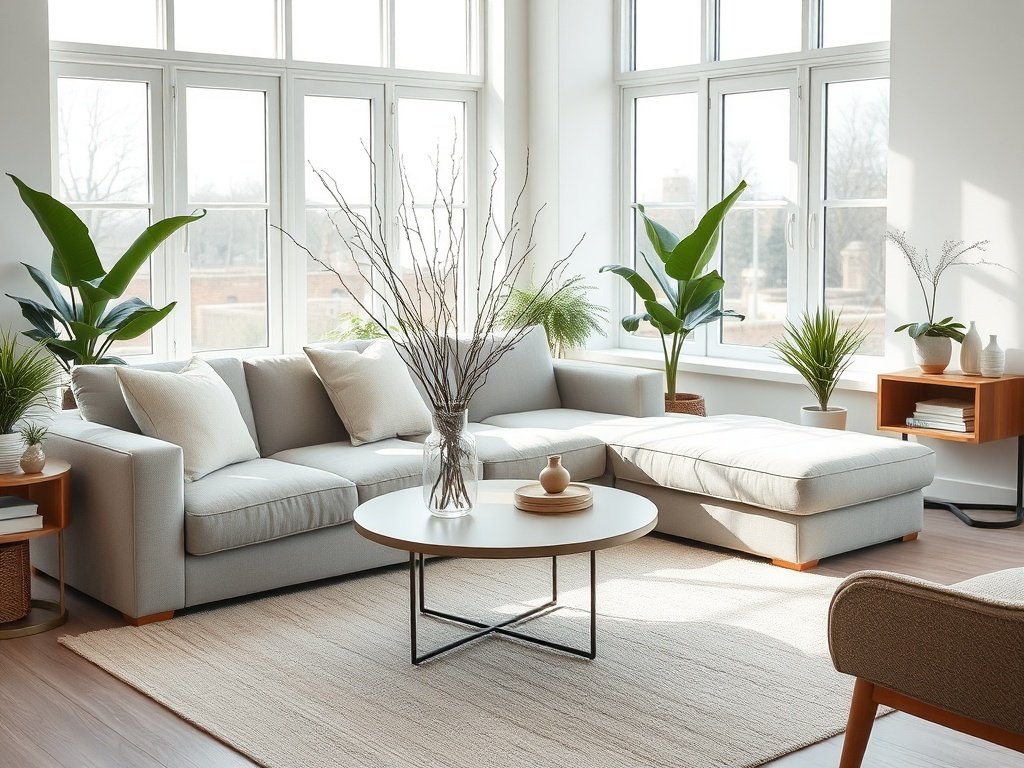
Pyntekvister are decorative twigs or ornamental branches commonly used in Scandinavian interior design. They add natural elegance, texture, and minimalist beauty to any living space. Typically made from birch, willow, or hazel, these branches reflect seasonal changes and bring a sense of calm and organic charm indoors. Their simple yet stylish presence enhances both traditional and modern homes while aligning with eco-conscious and sustainable design principles.
Pyntekvister is a Scandinavian tradition of using decorative twigs to bring nature indoors. These natural branches, carefully arranged, embody minimalist and sustainable design principles while connecting homes to seasonal cycles. They are appreciated for their subtle textures, calming aesthetic, and ability to complement modern and rustic interiors alike. Beyond decoration, pyntekvister reflects mindful living, simplicity, and an appreciation of nature’s beauty. This article explores its history, design applications, and practical ways to incorporate this timeless Nordic practice into your home.
What Pyntekvister Means and Its Significance in Design
Pyntekvister is a Norwegian term combining “pynte,” meaning to decorate, and “kvister,” meaning twigs or branches. The concept refers to the simple yet elegant use of natural branches as decorative elements in homes. In Scandinavian culture, these branches are more than aesthetic accents; they symbolize simplicity, seasonal awareness, and a close connection with nature. Using pyntekvister in interior spaces introduces organic textures and a minimalist style, which creates an environment that feels calm, balanced, and reflective of nature’s quiet beauty.
The Rich Scandinavian Roots Behind Pyntekvister
The tradition of using pyntekvister originated in Nordic countries where winters are long and daylight is limited. Families historically brought branches indoors to brighten rooms and symbolize hope and renewal during dark months. Over time, this practice evolved into an intentional design feature, celebrated not only for its beauty but also for its cultural significance. By integrating natural branches into home decor, Scandinavian design emphasizes harmony, functionality, and a deep connection to the changing seasons, creating spaces that are both visually appealing and emotionally grounding.
Celebrating Seasonal Change Through Pyntekvister
Scandinavian interiors often reflect the rhythm of nature, and pyntekvister plays a key role in this. In spring, twigs with delicate buds symbolize growth and renewal, while bare branches in winter evoke calm and simplicity. Arranging branches with small seasonal ornaments or lights enhances their aesthetic value while connecting indoor spaces to the natural world. This approach allows inhabitants to experience subtle shifts in seasons within their homes, offering a continuous reminder of nature’s cycles and encouraging mindfulness and appreciation for the environment.
Embracing Eco‑Friendly and Sustainable Home Décor
Pyntekvister aligns perfectly with eco-conscious interior design. By using naturally fallen or responsibly sourced branches, it avoids the environmental impact of synthetic decor. Unlike plastic or mass-produced decorations, these natural elements are biodegradable and sustainable. Their minimalistic elegance adds style without clutter, proving that sustainable choices can be beautiful and functional. Incorporating pyntekvister into modern homes supports eco-friendly living while creating spaces that feel organic and welcoming, showing that design can be environmentally responsible without sacrificing aesthetics.
How Pyntekvister Enhances Minimalist Interior Aesthetic
Minimalist design prioritizes simplicity, functionality, and natural materials, making pyntekvister a natural fit. The raw textures and organic forms of branches introduce visual interest without overwhelming a space. They complement neutral color palettes, clean lines, and uncluttered rooms, creating a sense of tranquility and understated elegance. Their subtle beauty integrates seamlessly into both modern and traditional interiors, helping to soften rigid architectural elements and enhance the overall harmony of the environment. Pyntekvister demonstrates that minimalism can be warm, inviting, and deeply connected to nature.
Creative Ways to Display Pyntekvister in Your Home
Decorative branches can be arranged in tall vases, positioned near windows, or placed beside furniture to create organic focal points. Some designers hang branches from ceilings or adorn them with small lights, dried flowers, or seasonal accents for added visual interest. Pyntekvister can be adapted to suit any room, whether a living space, bedroom, or entryway. Its versatility ensures that it enhances the natural flow and aesthetic of a room, adding elegance without clutter. The arrangement itself can become a creative statement, reflecting personal taste and design sensibility.
Also read this: Complete Guide to Understanding and Using Sruffer DB for Best Database Performance
Mindful Decoration: Personal Meaning of Pyntekvister
Pyntekvister is not just decorative; it carries personal and cultural significance. Collecting and arranging branches can become a calming, meditative practice that fosters a connection to nature. The process encourages attention to detail, creativity, and mindfulness, transforming ordinary twigs into meaningful decor. In urban environments where greenery is limited, these natural elements provide a sense of calm and connection. This thoughtful approach to decoration emphasizes intentionality, making each arrangement more than a visual object—it becomes a reflection of personal values and lifestyle choices.
Selecting the Right Branch Types for Your Space
Choosing the right type of branch can dramatically influence the mood of a room. Sleek birch branches introduce lightness and refinement, twisted willow adds graceful movement and texture, and hazel branches offer rustic charm. The natural colors, shapes, and textures of each branch type allow homeowners to tailor their pyntekvister arrangements to match interior color schemes and personal style. Experimenting with different combinations creates a dynamic, ever-evolving aesthetic, ensuring that decorative twigs remain fresh and engaging throughout the year while maintaining harmony with the surrounding decor.
Caring for and Maintaining Pyntekvister Arrangements
Pyntekvister requires minimal maintenance compared to live plants. Keeping branches dry and dust-free preserves their natural beauty for months or even years. A gentle dusting or wipe with a soft cloth is sufficient to maintain their appearance. Unlike flowers or potted plants, decorative branches do not require watering or trimming, making them low-maintenance yet highly impactful. With proper care, these simple elements continue to bring texture, elegance, and a connection to nature into indoor spaces without adding ongoing responsibilities or upkeep challenges.
Seasonal DIY Projects Featuring Pyntekvister
Seasonal projects can elevate pyntekvister into a centerpiece of creative home decoration. Adding small ornaments, tiny lights, or natural elements such as pinecones enhances their visual appeal. The branches’ flexibility allows homeowners to design arrangements for holidays, special occasions, or seasonal themes. DIY projects not only provide a creative outlet but also help personalize living spaces. This practice nurtures creativity while maintaining a minimalist aesthetic, showing that natural branches can be both a canvas for artistry and a timeless interior design element that adapts beautifully to seasonal changes.
Why Pyntekvister Remains Relevant Beyond Trends
While design trends often come and go, pyntekvister continues to maintain popularity due to its timeless qualities. Its versatility allows it to blend seamlessly with minimalist, boho, rustic, or contemporary interiors. The combination of sustainability, natural beauty, and cultural heritage ensures that decorative branches remain a meaningful and stylish addition to any home. By emphasizing quality, simplicity, and connection to nature, pyntekvister transcends fleeting trends and becomes a long-term design philosophy rather than a passing fad.
Integrating Pyntekvister into Urban Living Spaces
In cities, bringing natural elements indoors can greatly enhance well-being. Pyntekvister softens modern geometric furniture and industrial interiors, creating warmth and a sense of balance. Urban dwellers often lack direct access to greenery, so decorative branches act as a bridge to nature. They enhance both aesthetics and mood by providing texture, contrast, and a sense of tranquility. By thoughtfully incorporating pyntekvister into urban homes, residents can experience the benefits of natural design in even the most compact and contemporary spaces.
Also read this: Tumbons Travel Guide 2026 – Top Attractions, Culture, Best Time to Visit & Insider Tips
The Emotional and Psychological Impact of Decorative Branches
Research in design psychology indicates that exposure to natural elements reduces stress and increases focus. Pyntekvister, through its organic forms and textures, contributes to emotional well-being by creating calming, serene environments. Even a single arrangement can improve a room’s atmosphere, evoke relaxation, and subtly enhance daily life. By integrating these elements into interiors, homeowners benefit from both aesthetic pleasure and psychological comfort, making pyntekvister a design choice that is as meaningful as it is beautiful.
Incorporating Pyntekvister into Everyday Home Life
Pyntekvister can be seamlessly integrated into various spaces, from living rooms to bedrooms and entryways. Its organic shapes complement furniture, art, and lighting, creating natural flow and visual interest. Unlike ornate or artificial decor, branches provide subtle elegance that works harmoniously with existing interiors. They offer a practical, low-maintenance, and visually versatile solution for home decoration. Their adaptability ensures that they continue to enhance spaces over time, making pyntekvister a reliable and enduring element in everyday interior design.
Conclusion: Why Pyntekvister Embodies Timeless Design Philosophy
Pyntekvister represents simplicity, nature, and mindful living. Its use in homes bridges cultural heritage with modern design, combining organic beauty with minimalism. By reflecting seasonal changes, supporting sustainable practices, and enhancing emotional well-being, decorative branches become more than aesthetic objects—they create environments that are calming, elegant, and timeless. Pyntekvister demonstrates that the most enduring beauty often comes from natural elements, carefully observed and intentionally integrated into daily life. Its charm lies in both simplicity and the profound connection to nature it brings indoors.
(FAQs)
What does the word pyntekvister mean?
It combines Norwegian words meaning “to decorate” and “twigs,” referring to decorative branches for home interiors.
Are pyntekvister only suitable for Scandinavian-style homes?
No, they fit minimalist, boho, rustic, and modern interiors globally, thanks to their natural and versatile aesthetic.
Can faux branches be used instead of real ones?
Yes, artificial branches are durable, though natural twigs provide texture, authenticity, and sustainability.
Do pyntekvister require any special maintenance?
No, they only need occasional dusting or wiping and do not require water or trimming.
Which types of branches are best for different moods?
Birch adds lightness, willow creates movement, and hazel brings rustic charm; selection depends on desired atmosphere.
Is it okay to gather branches from nature?
Yes, responsibly sourced fallen or trimmed branches are ideal for creating arrangements.
Do decorative branches hold any symbolic meaning?
In Nordic culture, they symbolize seasonal cycles, simplicity, and a deep connection with nature.
For more info: primehouz.com
