
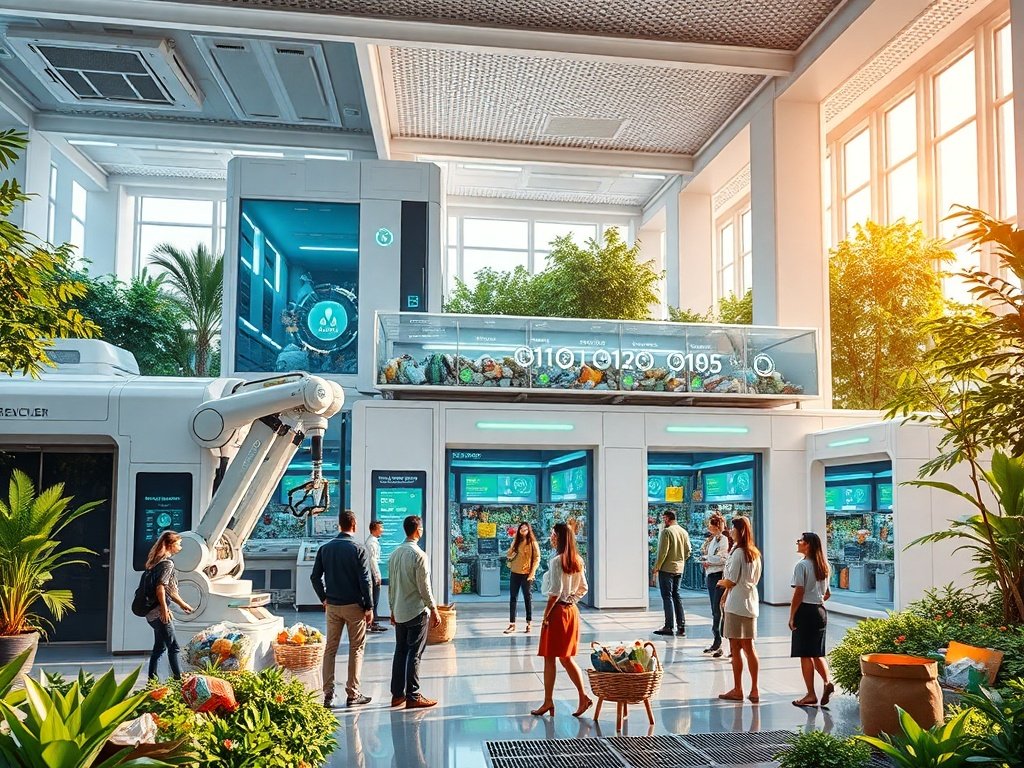
MataRecycler is an AI-powered smart recycling system designed to automatically identify, sort, and manage waste using machine learning and sensor-based technology. It improves recycling accuracy, reduces landfill waste, lowers operational costs, and supports sustainable living. By combining automation with intelligent waste detection, it helps households, businesses, and smart cities optimize resource recovery efficiently and environmentally responsibly.
Modern waste management faces growing challenges due to rising urban populations and increasing consumption. Smart recycling technologies are transforming how materials are sorted and processed. This article explores how artificial intelligence, computer vision, and sensor-based systems are redefining recycling efficiency. From automated waste identification to real-time data tracking and environmental impact reduction, AI-driven solutions are reshaping sustainability practices. You’ll discover how intelligent recycling improves accuracy, lowers contamination rates, reduces operational costs, and supports smart city infrastructure. Whether for homes, offices, or municipalities, AI-powered recycling systems are paving the way toward cleaner environments and more sustainable waste management practices worldwide.
Understanding the Need for Smart Recycling Systems
Why Traditional Waste Sorting Falls Short
Rapid urban growth has significantlyincreased daily waste production across cities worldwide. Traditional recycling methods depend heavily on manual labor and basic sorting infrastructure. This often leads to contamination between recyclable and non-recyclable materials. Once contamination happens, entire batches can become unusable. Landfills continue to expand because recyclable materials are not separated efficiently. Human error, lack of awareness, and inconsistent monitoring reduce overall recycling success. These limitations clearly show why automated and intelligent solutions are becoming essential. Smarter systems are needed to improve accuracy, efficiency, and sustainability in modern waste management.
Introduction to AI-Based Waste Management
The Role of Artificial Intelligence in Recycling
Artificial intelligence is transforming how waste is identified and processed. Through machine learning and computer vision, systems can recognize materials within seconds. AI models are trained on thousands of waste images to improve detection accuracy. Over time, these systems learn from patterns and continuously enhance performance. This reduces dependency on manual sorting and lowers contamination risks. AI also allows predictive waste tracking for better collection planning. Such automation makes recycling faster, smarter, and more reliable. It represents a major shift toward technology-driven sustainability.
How Intelligent Waste Detection Works
Sensors, Cameras, and Machine Learning Models
Smart recycling units rely on advanced sensors and high-resolution cameras. When an item is inserted, the system scans its texture, shape, and composition. Infrared and optical sensors help detect material type precisely. Data is instantly processed through trained machine learning algorithms. Within moments, the waste is directed into the correct compartment. This seamless interaction between hardware and software ensures consistent accuracy. The system adapts to new packaging styles over time. Such automation drastically improves sorting precision compared to traditional methods.
Core Technology Behind MataRecycler

Automation Meets Smart Environmental Design
MataRecycler combines artificial intelligence with automated mechanical sorting. Its system is engineered to function with minimal human intervention. Advanced recognition software ensures accurate material classification every time. The design supports installation in residential, commercial, and public environments. Smart connectivity enables remote monitoring and performance tracking. Real-time analytics help optimize waste management decisions. The compact and eco-friendly structure makes it highly adaptable. This integration of AI and sustainable engineering enhances long-term recycling efficiency.
Key Features of Smart Recycling Systems
Intelligent Sorting and Real-Time Monitoring
Modern smart recycling systems offer automated identification and separation of waste. They include contamination alerts to prevent incorrect disposal. Built-in fill-level sensors notify when bins require emptying. Data dashboards provide performance metrics for administrators. These systems often connect to cloud-based monitoring platforms. Real-time tracking improves operational transparency and efficiency. Users benefit from simplified recycling processes. Together, these features make waste management more intelligent and accountable.
Environmental Benefits of AI Recycling
Reducing Landfill Waste and Carbon Emissions
Accurate sorting ensures recyclable materials do not end up in landfills. This significantly reduces methane emissions from decomposing waste. Recycling materials also decreases the need for new raw resource extraction. Energy consumption is lowered when recycled materials are reused. Smart route planning reduces fuel use during waste collection. Cleaner recycling systems protect soil and groundwater from contamination. Overall environmental impact is greatly minimized. AI-powered recycling directly supports climate sustainability goals.
Also read this: Trastel Complete Guide to Cloud Communication Solutions
Economic Advantages for Businesses
Lower Costs and Higher Operational Efficiency
Businesses often struggle with high waste management costs. Automated recycling systems reduce manual labor requirements. Improved sorting accuracy increases the value of recovered materials. Companies can generate revenue from properly separated recyclables. Data insights help optimize waste handling strategies. Reduced contamination also avoids financial penalties in some regions. Long-term savings outweigh initial installation expenses. Sustainable waste practices also strengthen brand reputation and compliance standards.
Integration With Smart City Infrastructure
Supporting Sustainable Urban Development
Smart cities rely on interconnected digital systems for efficiency. Intelligent recycling units integrate with IoT-based monitoring networks. Waste data can be centrally analyzed for city-wide planning. Authorities can identify high-waste zones and adjust collection schedules. This improves overall urban cleanliness and efficiency. Data-driven insights support environmental policy decisions. Connected systems reduce operational gaps and delays. Such integration strengthens sustainable urban development strategies.
User Experience and Accessibility
Making Recycling Easy for Everyone
Ease of use is essential for widespread adoption. Smart recycling systems offer guided digital instructions. Users simply insert waste without worrying about sorting mistakes. The system automatically identifies and redirects the material. This reduces confusion about recyclables. Clear displays and touchless mechanisms enhance convenience. Increased simplicity encourages public participation. Better user experience directly improves recycling rates in communities.
Data Analytics and Performance Insights
Turning Waste Data Into Actionable Intelligence
Advanced recycling systems collect valuable waste data daily. This includes material types, quantities, and usage frequency. Analytics dashboards convert this information into detailed reports. Facility managers can track recycling performance trends. Predictive insights help reduce recurring contamination issues. Data also supports strategic sustainability planning. Continuous monitoring ensures ongoing improvement. Intelligent analysis transforms waste management into a measurable process.
Safety and Hygiene Improvements
Minimizing Human Contact With Waste
Manual waste handling poses health risks for workers. Automated systems reduce direct contact with garbage. Touchless disposal features improve hygiene in public areas. This is particularly important in high-traffic locations. Reduced exposure lowers infection and contamination risks. Sealed compartments prevent odor leakage. Improved sanitation benefits both workers and users. Technology-driven recycling enhances overall public health safety.
Customization for Different Environments

Residential, Commercial, and Industrial Applications
Smart recycling technology is adaptable across environments. Residential complexes benefit from compact installation models. Offices and malls use larger capacity units. Industrial facilities manage higher waste volumes efficiently. Modular systems allow scalability based on demand. Custom configurations meet specific operational needs. Flexible deployment increases practicality. This adaptability ensures consistent recycling efficiency everywhere.
Future Innovations in Smart Recycling
AI Advancements and Sustainable Engineering
Future systems will likely include enhanced material detection accuracy. Integration with renewable energy sources may improve sustainability. Blockchain-based waste tracking could increase transparency. AI models will continue learning from global waste data. Robotics may further automate sorting processes. Innovation will reduce costs and increase accessibility. Continuous development pushes environmental standards higher. The future of recycling is strongly technology-driven.
Challenges and Considerations
Implementation Costs and Technical Adaptation
Initial installation costs can be significant for some organizations. Infrastructure upgrades may be required for integration. Staff training ensures smooth operation and maintenance. Technical monitoring must remain consistent. However, long-term financial and environmental returns are substantial. Government incentives may support adoption in some regions. Strategic planning reduces implementation barriers. With proper management, challenges become manageable.
Why MataRecycler Represents the Future
A Smarter Path Toward Sustainable Living
MataRecycler represents a shift toward intelligent waste solutions. Its AI-driven design enhances sorting precision significantly. Automation reduces errors and improves recycling outcomes. Smart monitoring ensures operational transparency. Sustainable engineering supports environmental protection goals. Communities benefit from cleaner surroundings and reduced landfill pressure. Businesses gain efficiency and compliance advantages. As sustainability becomes essential globally, MataRecycler stands as a forward-thinking innovation shaping modern waste management.
FAQS
1. What is MataRecycler?
MataRecycler is an AI-powered smart recycling system that automatically identifies and sorts waste materials. It improves recycling accuracy and reduces landfill waste using intelligent automation.
2. How does MataRecycler work?
It uses sensors, cameras, and machine learning algorithms to detect material types. The system then automatically directs waste into the correct recycling compartment.
3. Is MataRecycler suitable for homes and offices?
Yes, it is designed for residential complexes, offices, commercial spaces, and public areas. Its compact and scalable models fit different environments easily.
4. How does MataRecycler improve recycling efficiency?
By minimizing human error and contamination, it increases material recovery rates. Real-time monitoring also helps optimize waste collection and management.
5. Does MataRecycler reduce environmental impact?
Yes, it reduces landfill waste, lowers carbon emissions, and supports sustainable resource management through precise sorting technology.
6. Can MataRecycler integrate with smart city systems?
It can connect with IoT-based infrastructure for centralized waste monitoring. This allows cities to track data and improve sustainability planning.
7. Is MataRecycler cost-effective in the long term?
Although initial setup may require investment, it reduces labor costs and increases recyclable material value, making it financially beneficial over time.
Fore more info: Primehouz.com
