
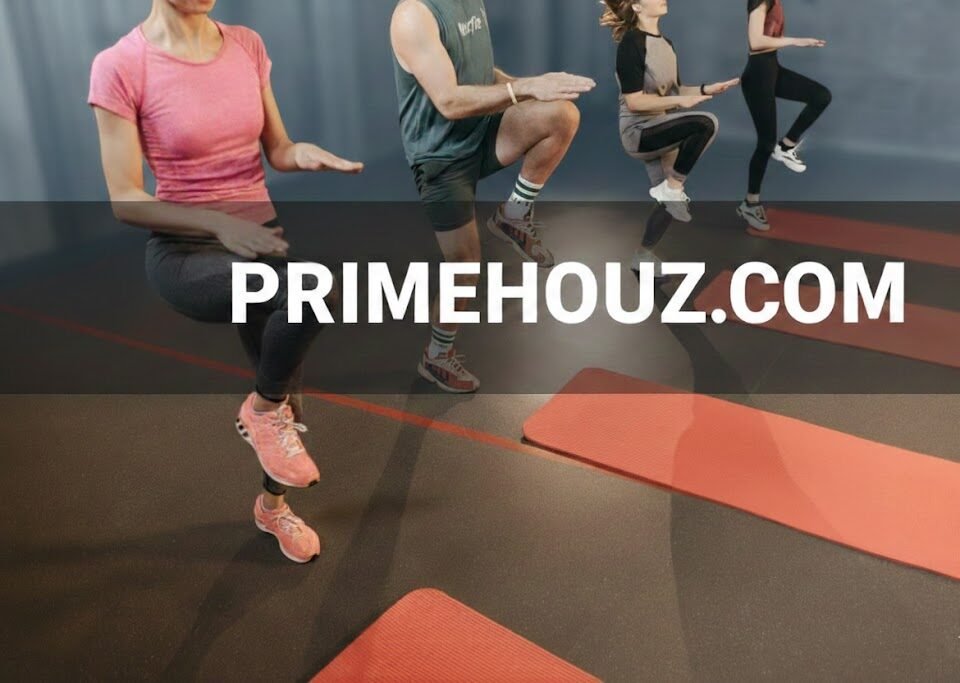
High Intensity Interval Training (HIIT) is a workout method combining short bursts of intense exercise with brief rest periods. It improves cardiovascular health, burns fat faster than traditional cardio, boosts metabolism, and enhances endurance. HIIT can be customized for beginners or advanced fitness levels and requires only 15–30 minutes per session to see significant results.
High Intensity Interval Training (HIIT) is a powerful and efficient fitness approach designed to maximize calorie burn and improve overall health. By alternating intense exercises with short rest periods, HIIT accelerates fat loss, enhances cardiovascular performance, and strengthens muscles. This method is ideal for busy schedules, as even 15–30 minutes per day can yield measurable results. The article explores HIIT benefits, exercises, safety tips, and scientifically-backed strategies to help readers achieve their fitness goals effectively
What Is High Intensity Interval Training?
High Intensity Interval Training, or HIIT, is a form of cardiovascular exercise that alternates short, intense bursts of activity with periods of rest or low-intensity recovery. Unlike traditional steady-state cardio, HIIT pushes your body to its maximum during high-intensity intervals, typically lasting 20–60 seconds. The recovery periods allow your body to partially recuperate before the next burst. Studies show that HIIT can improve VO2 max, boost metabolism, and increase calorie burn both during and after workouts. Popular HIIT formats include Tabata (20 seconds on, 10 seconds off) and circuit-style routines. One major advantage is time efficiency; HIIT sessions can be completed in as little as 15–30 minutes, making it suitable for teenagers and adults with busy schedules. Its adaptability also allows exercises like sprinting, jumping jacks, burpees, or cycling to be tailored for all fitness levels.
How HIIT Boosts Fat Loss Fast
HIIT accelerates fat loss by increasing both aerobic and anaerobic calorie burn. During high-intensity intervals, your body uses more glycogen for energy. After the session, your metabolism stays elevated in a process called excess post-exercise oxygen consumption (EPOC), burning additional calories even at rest. Research indicates HIIT can reduce body fat by 4–7% over several weeks when combined with a balanced diet. Short, intense workouts are particularly effective for burning visceral fat, which surrounds organs and contributes to health risks. Unlike steady cardio, HIIT stimulates hormonal responses that enhance fat mobilization. Teens and young adults benefit from this approach as it combines fitness improvements with minimal time commitment, encouraging consistent adherence.
Key Benefits of HIIT for Fitness
The benefits of HIIT extend beyond fat loss. It improves cardiovascular health by strengthening the heart and enhancing oxygen utilization. HIIT also boosts endurance, allowing individuals to perform longer at higher intensities. Muscular strength and coordination improve through exercises like burpees, squats, and push-ups. Mental benefits include stress reduction and increased focus, attributed to endorphin release. Studies also suggest HIIT improves insulin sensitivity, supporting better blood sugar control. For adolescents aged 13–17, HIIT can enhance athletic performance, support healthy growth, and build confidence in physical abilities.
HIIT vs. Traditional Cardio: Which Wins?
While traditional cardio involves steady-state exercises like jogging or cycling at moderate intensity, HIIT alternates intense bursts with rest periods. HIIT is generally more time-efficient, burning more calories in less time. It also increases metabolic rate for hours post-exercise, unlike steady cardio which mainly burns calories during activity. However, traditional cardio may be less stressful on joints and suitable for beginners or recovery days. Combining both methods can provide balanced fitness benefits, catering to endurance, fat loss, and overall health.
How Often Should You Do HIIT?
The frequency of HIIT sessions depends on fitness level and goals. Beginners can start with 2–3 sessions per week, while advanced individuals may do 4–5 sessions. Each session should last 15–30 minutes to avoid overtraining. Rest days are crucial to allow muscles and joints to recover. Studies suggest even short, 10–15 minute HIIT workouts performed consistently can lead to measurable improvements in fitness and body composition. Listening to your body is key to prevent fatigue or injury.
Top Exercises for High Intensity Interval Training
Effective HIIT exercises include burpees, jump squats, mountain climbers, sprinting, push-ups, kettlebell swings, and jumping jacks. Each exercise targets different muscle groups, combining strength and cardiovascular conditioning. Alternating exercises in circuits can prevent boredom and ensure full-body engagement. For beginners, modified versions (e.g., knee push-ups) are recommended to reduce strain. Equipment like resistance bands, dumbbells, or stationary bikes can enhance intensity and variety, making workouts both challenging and fun.
Home HIIT Workouts You Can Try
HIIT is highly adaptable for home workouts. A simple routine could include 30 seconds each of jumping jacks, push-ups, squats, and mountain climbers, followed by 15–30 seconds of rest. Repeat 4–5 rounds for a complete session. Minimal space and no equipment are needed, making it ideal for teens and young adults. Online apps and videos provide guided routines that maintain proper form and intensity. Consistency and proper warm-up and cool-down routines are crucial for safety and effectiveness.
Also read this: Alani Witches Brew: Magical Energy Boost for Daily Life
Safety Tips for HIIT Beginners
Safety is essential to prevent injuries. Always begin with a proper warm-up of 5–10 minutes to prepare muscles and joints. Focus on correct form over speed or repetitions. Gradually increase intensity and duration as fitness improves. Stay hydrated and wear supportive footwear. Listening to your body is crucial; any sharp pain or dizziness is a sign to stop. Consulting a healthcare professional or trainer before starting HIIT is advisable for those with pre-existing conditions.
Tracking Progress in High Intensity Interval Training
Progress tracking helps maintain motivation and measure results. Methods include monitoring heart rate, calories burned, or reps per session. Fitness apps can track intervals, duration, and improvement over time. Taking body measurements and photos every 2–4 weeks provides a visual record of transformation. Teens should focus on performance improvements and endurance gains, not just weight loss, ensuring a healthy relationship with fitness.
HIIT for Weight Loss: Scientific Insights
Research shows HIIT is highly effective for weight management. A 2019 study found participants performing 20-minute HIIT sessions three times per week reduced fat mass more than those performing traditional cardio. HIIT stimulates fat oxidation, particularly in the abdominal area. Its combination of anaerobic and aerobic effort promotes lean muscle retention, which is essential for long-term metabolism. Incorporating a balanced diet enhances weight loss results and overall health benefits.
Common Mistakes to Avoid in HIIT
Mistakes such as skipping warm-ups, using poor form, overtraining, or neglecting rest can reduce HIIT effectiveness and increase injury risk. Beginners may start too intensely, leading to burnout. Not varying exercises can cause plateaus, while ignoring recovery prevents optimal gains. Avoid excessive repetition of the same routine; instead, mix exercises and durations to maintain progression and engagement.
Combining Strength Training with HIIT
Adding strength exercises to HIIT maximizes benefits. Squats, lunges, push-ups, and resistance band exercises enhance muscle tone while maintaining cardiovascular intensity. Strength-focused HIIT promotes faster metabolism, improved posture, and functional fitness. Combining modalities also supports bone health, joint stability, and athletic performance. Teens and young adults gain both endurance and muscular strength safely with proper guidance.
Beginner’s Step-by-Step HIIT Plan
For beginners: start with 20 seconds of moderate-intensity exercise (e.g., squats), 40 seconds rest. Repeat 6–8 rounds, gradually increasing intensity or reducing rest. Include warm-up and cool-down in each session. Progress weekly by increasing the duration of high-intensity intervals or adding more circuits. A consistent approach ensures safe adaptation, reduces fatigue, and builds confidence in performing HIIT exercises correctly.
Benefits of Short Bursts in HIIT
Short, intense bursts in HIIT maximize energy expenditure in minimal time. The interval structure improves anaerobic and aerobic capacity simultaneously. Research demonstrates that brief, repeated efforts stimulate hormonal responses that accelerate fat mobilization and improve cardiovascular health. For teens, short bursts maintain engagement and motivation, while reducing the risk of overuse injuries. This makes HIIT both efficient and sustainable for long-term fitness success.
Conclusion & Call-to-Action
High Intensity Interval Training is a scientifically-backed, time-efficient workout method that boosts fat loss, cardiovascular health, and muscular endurance. By alternating high-intensity bursts with short recovery periods, HIIT delivers maximum results in minimal time. Whether at home or in the gym, beginners and advanced fitness enthusiasts can benefit from HIIT. Start your first session today, track your progress, and embrace this dynamic approach to achieve your fitness goals faster!
FAQs About High Intensity Interval Training
- Is HIIT safe for teenagers?
Yes, with proper guidance, warm-up, and intensity adjustments, HIIT is safe for teens aged 13–17. Focus on form and rest. - How long should a HIIT session last?
15–30 minutes per session is sufficient for beginners and intermediate users, ensuring maximum results without overtraining. - Can HIIT help in losing belly fat?
Yes, HIIT increases metabolism and fat oxidation, targeting visceral fat more effectively than steady-state cardio. - How often should I do HIIT workouts?
2–4 sessions per week are recommended, depending on fitness level, with rest or low-intensity days in between. - Do I need equipment for HIIT?
No, many HIIT exercises use body weight. Optional equipment like dumbbells or resistance bands can enhance intensity. - What are the best exercises for HIIT at home?
Jumping jacks, burpees, squats, mountain climbers, and push-ups are ideal and require minimal space. - Can HIIT improve endurance and athletic performance?
Absolutely, HIIT enhances cardiovascular capacity, stamina, and muscular strength, supporting better overall athletic performance.
For more info: primehouz.com
