
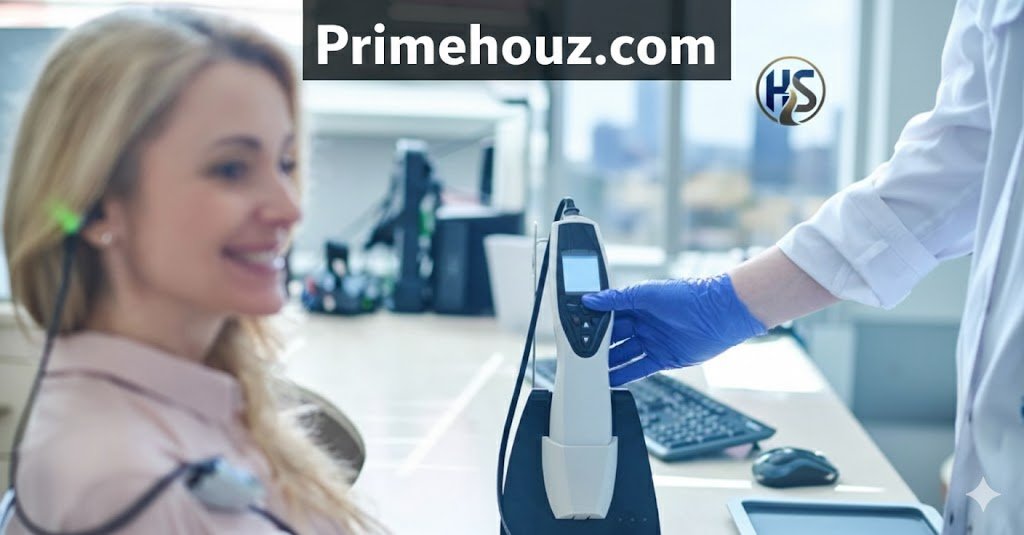
The TSH w/Reflex to FT4 test measures thyroid-stimulating hormone (TSH) and automatically checks Free T4 when TSH levels are abnormal. This helps doctors detect thyroid disorders early, including hypothyroidism and hyperthyroidism. By combining TSH and Free T4 results, patients get a more accurate picture of thyroid function, guiding treatment decisions and ensuring better overall thyroid health.
TSH w/Reflex to FT4 is a critical blood test that evaluates thyroid health by measuring TSH and automatically testing Free T4 if TSH is abnormal. This combined approach helps detect conditions like hypothyroidism, hyperthyroidism, and autoimmune thyroid disorders early. Understanding normal ranges, lab interpretations, and lifestyle factors can help patients maintain healthy thyroid function. This guide explains the test, its results, common thyroid disorders, and actionable tips for monitoring and supporting thyroid health.
What is TSH w/Reflex to FT4?
TSH w/Reflex to FT4 is a specialized blood test used to assess thyroid function. Initially, it measures thyroid-stimulating hormone (TSH) to determine whether the thyroid is overactive or underactive. If TSH is outside the normal range, the lab automatically tests Free T4, the active hormone produced by the thyroid. This reflex approach eliminates the need for multiple blood draws and provides doctors with a clear picture of thyroid health. The pituitary gland produces TSH to regulate thyroid hormone release. A high TSH typically indicates hypothyroidism, while a low TSH suggests hyperthyroidism. Reflex testing is particularly useful for early detection of thyroid disorders in teens, adults, and postpartum women.
Understanding Thyroid Stimulating Hormone (TSH)
TSH is a hormone produced by the pituitary gland that regulates thyroid hormone production. It signals the thyroid to release T4 and T3 hormones, which control metabolism, energy levels, growth, and development. Abnormal TSH levels can indicate thyroid dysfunction even before symptoms appear. For example, elevated TSH usually suggests hypothyroidism, while suppressed TSH indicates hyperthyroidism. Monitoring TSH levels is essential for early detection, treatment, and preventing complications. In adolescents, TSH fluctuations are common due to growth and hormonal changes, making regular testing important.
Free T4: The Active Thyroid Hormone
Free T4 is the unbound thyroxine hormone circulating in the blood, available for body tissues. Measuring Free T4 alongside TSH helps doctors evaluate thyroid output accurately. Low Free T4 with high TSH confirms hypothyroidism, whereas high Free T4 with low TSH suggests hyperthyroidism. Free T4 levels guide treatment plans, including medication dosing or lifestyle interventions. Reflex testing automatically measures Free T4 when TSH is abnormal, reducing delays in diagnosis and providing a comprehensive assessment of thyroid function.
How TSH and Free T4 Work Together
TSH and Free T4 provide complementary insights. TSH acts as a regulator, while Free T4 reflects hormone availability. For instance, high TSH with normal Free T4 may indicate subclinical hypothyroidism, often symptomless but requiring monitoring. Low TSH with elevated Free T4 usually signals overt hyperthyroidism. Reflex testing ensures that Free T4 is automatically measured whenever TSH is abnormal, improving diagnostic accuracy and helping physicians create personalized treatment plans.
TSH w/Reflex vs Standard TSH Test
Standard TSH testing only measures thyroid-stimulating hormone, which may not detect subtle thyroid imbalances. TSH w/Reflex to FT4 automatically adds a Free T4 measurement when TSH is abnormal. This reduces diagnostic errors, unnecessary repeat testing, and missed thyroid disorders. Reflex testing is especially helpful for patients with fluctuating symptoms such as fatigue, weight changes, hair thinning, or mood swings.
Normal Ranges for TSH w/Reflex to FT4
Typical TSH ranges are 0.4–4.0 mIU/L for adults, while Free T4 normally ranges from 0.8–1.8 ng/dL. Adolescents and children have slightly different ranges. Reflex testing flags abnormal TSH results and measures Free T4 automatically to provide clarity. Understanding these ranges helps patients interpret lab results and consult their doctor for appropriate treatment or lifestyle adjustments.
Signs Your Thyroid Might Be Struggling
Thyroid disorders often develop silently. Common signs include fatigue, unexplained weight changes, irregular periods, hair loss, mood swings, and temperature intolerance. TSH w/Reflex to FT4 testing can detect problems before symptoms worsen. Early detection through reflex testing is crucial, as it allows timely intervention, preventing long-term complications like cardiovascular issues or growth delays in adolescents.
Also read this: 4 Stages of Appendicitis: Hidden Symptoms You Can’t Ignore
5 Common Thyroid Disorders
H3: 1. Hyperthyroidism
Overactive thyroid increases metabolism, causing weight loss, anxiety, rapid heartbeat, and tremors.
H3: 2. Hypothyroidism
Underactive thyroid slows metabolism, leading to fatigue, weight gain, dry skin, and depression.
H3: 3. Hashimoto’s Thyroiditis
An autoimmune condition where the immune system attacks the thyroid, often causing hypothyroidism over time.
H3: 4. Thyroid Cancer
Rare but serious, often detected through nodules, ultrasounds, or abnormal hormone tests.
H3: 5. Postpartum Thyroiditis
Temporary thyroid inflammation after childbirth causing hormone fluctuations, fatigue, and mood changes.
How TSH w/Reflex to FT4 is Performed
The test requires a simple blood draw, usually from the arm. Reflex testing ensures Free T4 is automatically measured if TSH is abnormal, reducing the need for additional visits. Test results typically arrive in 24–48 hours. Factors like medications, diet, or illness may influence hormone levels, so patients should inform their doctor before testing.
Interpreting Your Results
Understanding TSH w/Reflex to FT4 results helps guide treatment. Elevated TSH with low Free T4 indicates hypothyroidism, while low TSH with high Free T4 suggests hyperthyroidism. Subclinical results require monitoring. Regular testing enables doctors to adjust medications, track progress, and prevent complications.
Thyroid Hormone Treatment: Temporary or Lifelong?
Treatment depends on the disorder’s severity. Mild subclinical hypothyroidism may only require monitoring, whereas overt hypothyroidism usually needs daily levothyroxine. Reflex testing helps track hormone levels and adjust dosages. Some patients may need lifelong therapy, while others improve with short-term intervention.
Lifestyle Tips to Support Thyroid Health
Healthy thyroid function relies on nutrition, exercise, and stress management. Adequate iodine, selenium, and zinc support hormone production. Moderate exercise, good sleep, and avoiding processed foods contribute to balanced thyroid function. Monitoring TSH and Free T4 helps assess the effectiveness of lifestyle interventions.
Common Myths About TSH w/Reflex to FT4
Many believe TSH alone is enough or that symptoms always appear with dysfunction. Reflex testing proves that subtle imbalances exist even without obvious symptoms. Another myth is that thyroid disorders only affect older adults; teens and postpartum women are also at risk. Understanding the test clears misconceptions and improves health outcomes.
Next Steps if Results Are Abnormal
If TSH w/Reflex to FT4 results are abnormal, your doctor may recommend additional tests, lifestyle changes, or medications. Regular monitoring ensures early intervention and prevents complications. Reflex testing simplifies this process, giving patients timely insights into thyroid health.
FAQs About TSH w/Reflex to FT4
1. How often should TSH w/Reflex to FT4 be tested?
Usually once a year or if symptoms develop. High-risk patients may need more frequent testing.
2. Can diet affect TSH or Free T4 levels?
Yes, iodine, selenium, and certain medications can influence results.
3. Is TSH w/Reflex testing safe for teenagers?
Yes, it is a standard blood test suitable for all ages.
4. How long do results take?
Typically 24–48 hours. Reflex testing does not add extra waiting time.
5. Can thyroid problems resolve without medication?
Some mild cases improve with lifestyle changes, but monitoring is essential.
6. What symptoms suggest I should test my thyroid?
Fatigue, weight changes, mood swings, hair loss, or temperature intolerance.
7. Does pregnancy affect TSH w/Reflex to FT4 results?
Yes, hormonal changes can alter levels, requiring trimester-specific interpretation.
Conclusion & Call-to-Action
TSH w/Reflex to FT4 testing is a vital tool for understanding thyroid health. It combines TSH measurement with Free T4 analysis to provide a complete assessment, detect disorders early, and guide treatment. Monitoring results, maintaining a healthy lifestyle, and consulting your doctor regularly ensures optimal thyroid function. Check your thyroid health today and stay proactive for a healthier tomorrow!
Fore more info: Primehouz.com
