
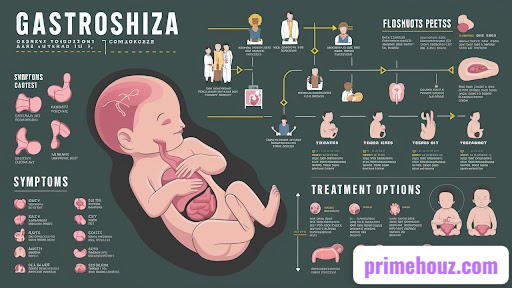
Gastroshiza is a rare congenital condition where a baby’s intestines develop outside the abdominal wall. It is visible at birth, and early signs include feeding difficulties, digestive problems, and poor weight gain. Immediate medical care is essential to prevent infections and organ damage. Parents can support recovery through proper hygiene, careful feeding, and regular medical follow-ups. Early detection and timely surgery significantly improve outcomes, allowing children to grow and develop normally.
Gastroshiza is a serious birth defect where a baby’s intestines grow outside the abdominal cavity. This guide explains the ten primary causes and common symptoms that help parents identify the condition early. It also provides practical advice on medical treatment, home care, and long-term support. Using real-life examples and research-backed insights, this article simplifies complex medical information into a friendly, authoritative guide for parents. By understanding gastroshiza and following recommended care practices, children affected by this condition can recover safely and thrive in the long term.
What is Gastroshiza?
Gastroshiza is a congenital disorder where a baby’s intestines protrude outside the abdominal wall through a small opening near the belly button. Unlike other abdominal defects, the intestines are fully exposed, making them vulnerable to infection and damage. The condition is often detected during prenatal scans or immediately at birth. Modern neonatal surgery allows for repair within the first days of life, significantly increasing survival rates. Understanding gastroshiza helps parents prepare emotionally and practically to support their child, and early intervention is critical to prevent complications and ensure normal growth and development.
Early Signs Every Parent Should Know
Parents should be aware of the signs of gastroshiza to seek prompt medical attention. Babies with this condition often have visible intestines outside the abdomen and may experience difficulty feeding, poor weight gain, or dehydration. In some cases, prenatal ultrasounds detect the condition, giving families time to prepare for immediate medical care after birth. Recognizing these signs is crucial because delayed intervention can lead to infections and other complications. Educating parents about early symptoms allows for quick action and can drastically improve the child’s long-term health and recovery outcomes.
10 Proven Causes of Gastroshiza
The development of gastroshiza occurs due to abnormalities in the abdominal wall during early fetal growth. While the exact cause is not always clear, several factors are linked to higher risk. Genetic mutations and family history may play a role, while maternal age over 35, smoking, certain medications, and low folic acid intake can increase susceptibility. Environmental toxins, poor prenatal nutrition, preterm birth, and multiple pregnancies may also contribute. Understanding these potential causes helps parents and doctors identify high-risk pregnancies and take preventive measures, such as regular prenatal care and nutritional support, to reduce the likelihood of this condition.
Symptoms Checklist
Children with gastroshiza typically show visible intestines outside the belly, weak abdominal muscles, and difficulties in feeding and weight gain. Digestive discomfort, irregular bowel movements, and increased susceptibility to infections are also common. These symptoms are usually apparent at birth, though mild cases can be detected during prenatal imaging. Early identification is critical to reduce risks, and parents should closely monitor their child’s health. Pediatricians often recommend immediate evaluation and intervention, including surgery, to protect the intestines and support proper growth and development. Prompt action dramatically improves outcomes for affected children.
How Gastroshiza Differs from Other Digestive Conditions
Gastroshiza is sometimes confused with omphalocele, another abdominal defect. Unlike omphalocele, where the intestines are enclosed in a protective sac, gastroshiza leaves the organs fully exposed, increasing the risk of infection. Accurate diagnosis is essential for planning the correct surgical approach and preventing complications. Pediatric surgeons rely on physical exams and imaging tests to distinguish between these conditions. Understanding the difference allows parents to make informed decisions about treatment options and ensures that their child receives immediate, appropriate care, which is crucial during the first few days of life when risks are highest.
Effects on Growth and Health
Children born with gastroshiza may experience temporary growth delays due to challenges in feeding and nutrient absorption. Close monitoring of weight, height, and developmental milestones is essential during recovery. Research indicates that with proper treatment and nutrition, over 90% of affected children eventually reach normal growth patterns. Post-surgery care includes regular pediatric check-ups and guidance from nutritionists to support healthy development. Early intervention, careful home care, and medical supervision can minimize long-term complications and help children lead normal, active lives while achieving age-appropriate growth and developmental milestones.
Also read this :What Is a FUPA? Causes, Development, and How to Get Rid of It
When to See a Doctor
Immediate medical attention is critical if a baby is born with visible intestines or shows signs of infection, such as swelling, redness, or discharge. Poor feeding, vomiting, dehydration, or irregular bowel movements are also urgent indicators. Pediatric surgeons usually perform surgery within the first 24 to 48 hours of life to reduce infection risks and protect internal organs. Early consultation ensures the child receives appropriate intensive care support and monitoring after surgery. Timely medical intervention significantly increases the chances of full recovery and long-term health, making prompt action essential for parents.
Safe Home Care Tips
After surgery, careful home care is crucial for a child’s recovery. Parents should maintain strict hygiene while changing dressings and handling the baby. Gentle feeding techniques and frequent monitoring for signs of infection or discomfort are essential. Minimizing pressure on the abdominal area and following the pediatrician’s instructions for wound care can prevent complications. Keeping a daily log of feeding and symptoms helps track progress and informs follow-up appointments. Providing emotional support and creating a safe, calm environment aids the child’s healing process and contributes to a faster, healthier recovery.
Medical Treatments Explained
Surgery is the main treatment for gastroshiza, and the approach depends on the severity of the condition. Some cases allow for primary closure, while more complex instances require staged procedures to gradually repair the abdominal wall. Postoperative care in a neonatal intensive care unit ensures proper nutrition, infection prevention, and pain management. Advances in pediatric surgery have increased survival rates dramatically, allowing most children to return to normal activities within months. Close follow-up and supportive care are vital to monitor growth, healing, and any potential complications, ensuring a successful long-term outcome.
Preventive Measures
Although not all cases of gastroshiza can be prevented, parents can reduce risks through careful prenatal care. Avoiding smoking and alcohol, maintaining balanced nutrition, and taking recommended vitamins like folic acid can help. Regular prenatal check-ups and screening tests allow early detection and preparedness for medical intervention. Awareness of risk factors such as maternal age, preterm birth, and multiple pregnancies also allows for proactive monitoring. These preventive steps do not guarantee prevention but can improve pregnancy outcomes and reduce the likelihood or severity of congenital conditions like gastroshiza.
Nutrition Guidelines
Nutrition plays a key role in the recovery of children with gastroshiza. Post-surgery, babies often need high-calorie, easily digestible foods to support growth and healing. Frequent small meals, proper hydration, and consulting a pediatric nutritionist for specialized feeding formulas ensure adequate nutrient intake. Good nutrition accelerates wound healing, strengthens the immune system, and improves overall growth outcomes. Parents should track feeding patterns, note any digestive issues, and adjust the diet according to professional guidance. Adequate nutrition forms the foundation of long-term health and contributes to a smooth recovery process.
Long-Term Effects
Most children recover fully from gastroshiza surgery, though some may experience minor digestive issues or scar formation. Psychological impacts from prolonged hospital stays are possible, and supportive care may be needed to help children adapt. With regular monitoring, nutrition management, and emotional support, these challenges are manageable. Children often reach normal developmental milestones, participate in regular activities, and lead healthy lives. Early intervention and consistent follow-up care ensure that potential complications are addressed promptly, allowing children to enjoy a full and active childhood despite their early medical challenges.
Parent Experiences
Parents of children with gastroshiza often highlight the importance of early diagnosis, professional guidance, and emotional support. Many find comfort and practical advice through online support groups and parent networks. Real-life stories reveal that children can thrive after surgery when parents follow medical advice closely, maintain proper home care, and provide encouragement. Sharing experiences helps families understand the challenges and successes of caring for a child with gastroshiza. These narratives also emphasize the value of community, education, and proactive involvement in their child’s recovery journey, which greatly improves outcomes.
Conclusion & Call-to-Action
Gastroshiza is a serious but manageable condition when detected early and treated appropriately. Understanding the causes, symptoms, and treatment options empowers parents to act decisively and provide the best care. Maintaining regular medical follow-ups, proper nutrition, and emotional support is essential for recovery. Parents should seek expert advice promptly and stay informed to ensure their child thrives. Early action, awareness, and consistent care are the keys to a successful outcome. Act now, stay proactive, and support your child through every step of recovery.
FAQs About Gastroshiza
Q1: Can gastroshiza be detected before birth?
Yes, advanced prenatal ultrasounds can often identify the condition during the first trimester, allowing families to plan for immediate care after birth.
Q2: Is gastroshiza hereditary?
Most cases occur sporadically, though a family history of birth defects may slightly increase risk.
Q3: How soon is surgery performed?
Surgery is usually done within 24 to 48 hours after birth to protect the exposed intestines and prevent infections.
Q4: Can children with gastroshiza grow normally?
Yes, with proper treatment, nutrition, and follow-up, most children achieve normal growth and development.
Q5: What home care is needed post-surgery?
Maintaining sterile wound care, monitoring for infection, and following feeding recommendations are critical for recovery.
Q6: Are there long-term health issues?
Some children may have minor digestive problems or scarring, but these can be managed with medical guidance.
Q7: Can nutrition improve recovery?
Yes, high-calorie, easily digestible meals enhance healing, support growth, and strengthen the immune system.
For more info :primehouz.com
