
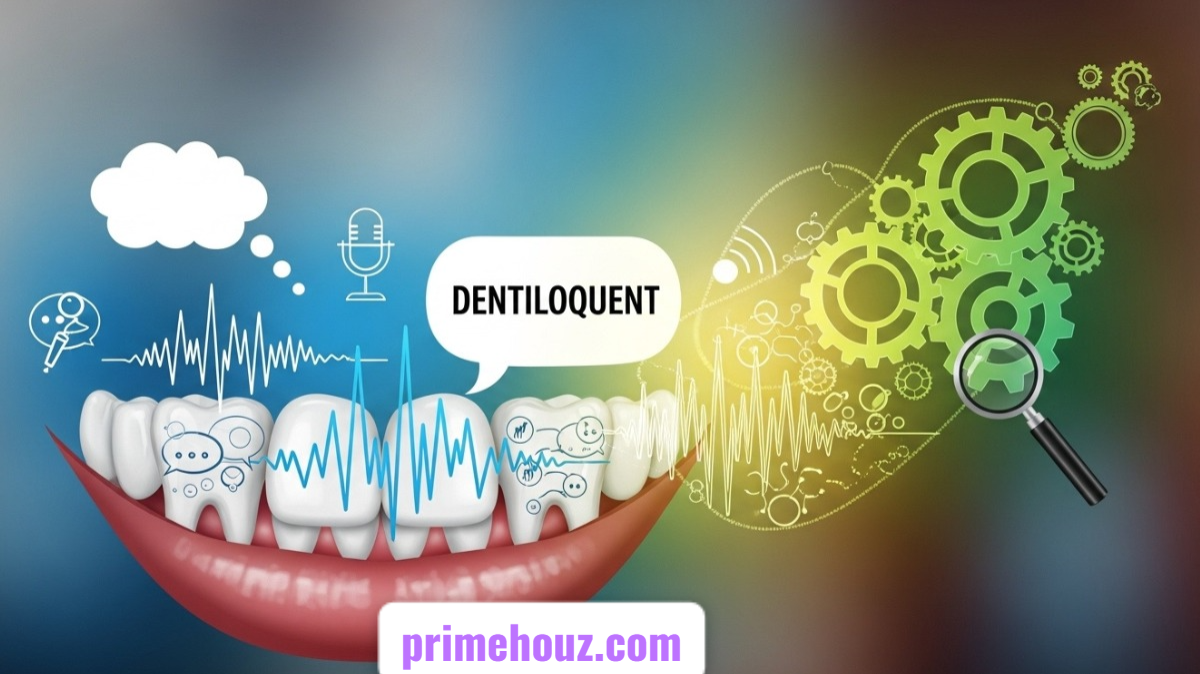
Dentiloquent speech is speaking through clenched teeth to improve clarity, confidence, and communication. It strengthens jaw muscles, enhances pronunciation, and reduces stress. Practicing dentiloquy helps in everyday conversations, presentations, and public speaking by improving focus, articulation, and social presence.
Dentiloquent speech, or speaking through clenched teeth, is a unique communication tool with benefits for clarity, confidence, and wellness. By engaging jaw and facial muscles, it improves articulation and vocal projection. This article explores its history, psychological impact, practical techniques, and health advantages. From everyday conversations to professional settings, mastering dentiloquent speech helps develop social skills, emotional intelligence, and a stronger presence. Learning and practicing this technique empowers individuals to communicate effectively, reduce stress, and embrace the power of mindful, intentional speech for overall wellness.
Introduction
Dentiloquent speaking, or articulating through clenched teeth, is a technique that improves speech clarity and confidence. It engages jaw muscles, strengthens articulation, and even benefits overall wellness. While unusual, it has practical applications in public speaking, language learning, and everyday communication. This article explores its origins, psychology, techniques, and advantages, showing teens and young adults how to harness this skill for effective communication, stronger social presence, and better health outcomes.
Dentiloquent Explained: What Makes Speech Through Clenched Teeth Unique
Dentiloquent speech focuses on producing precise sounds while lightly clenching the teeth. It requires careful tongue placement and breath control, engaging facial muscles more than regular speech. This strengthens the jaw and improves pronunciation, making words clearer and more impactful. Often used in acting, voice training, and therapy, it combines physical exercise with mental focus. Practicing dentiloquy enhances communication confidence, making it a useful tool for students, professionals, and anyone seeking more precise and controlled speech.
The Origins of Dentiloquent Speaking: From Ancient Times to Today
Dentiloquent speech dates back to ancient oral traditions where clarity and articulation were critical. Orators, storytellers, and teachers practiced controlled jaw speech to make every word understandable. Over centuries, the technique evolved into a linguistic method used in education, drama, and speech therapy. Today, it is recognized not only for improving clarity but also for supporting vocal health and facial strength. Understanding its origins highlights the enduring importance of precise, deliberate communication across cultures and generations.
Psychology of Dentiloquy: How Mind and Speech Connect
Speaking dentiloquently engages the brain in unique ways, requiring focus and self-awareness. Psycholinguistic research shows it reduces anxiety, improves memory, and strengthens cognitive control over speech. By coordinating mental focus with physical articulation, speakers become more deliberate, enhancing clarity and confidence. Dentiloquy also promotes emotional regulation and social awareness, helping individuals express themselves more effectively in conversations, presentations, and other settings where precise speech and composure matter.
Mastering Dentiloquent Speech: Techniques to Speak Confidently
To master dentiloquent speech, start with light teeth clenching and slow articulation. Practice reading short passages, focusing on tongue placement and clarity. Gradually increase speed while maintaining precision. Regular exercises like tongue twisters or recorded speech analysis help track progress. Over time, these methods improve enunciation, reduce mumbling, and enhance vocal projection. With consistent practice, dentiloquent speech builds confidence, making it easier to communicate effectively in social, academic, and professional contexts.
Dentiloquent Communication in Literature: Iconic Examples and Lessons
Dentiloquent speech often appears in literature and media to convey tension, authority, or precision. Classic novels describe characters speaking through clenched teeth during pivotal moments, highlighting determination or emotional intensity. These examples demonstrate how controlled speech can influence perception and convey subtle psychological cues. Studying these portrayals helps modern communicators understand the impact of articulation, inspiring practical application in public speaking, storytelling, or daily interactions to command attention and express ideas effectively.
Daily Life Applications of Dentiloquy: Speak Smarter Every Day
Using dentiloquent speech in everyday life improves clarity, assertiveness, and listener engagement. Light jaw clenching during important conversations enhances composure and tone. In presentations or debates, it ensures speech remains clear under pressure. Beyond communication, it subtly strengthens facial muscles and improves breath control. Practicing dentiloquy daily turns ordinary conversations into opportunities for developing confidence, authority, and mindful communication skills that positively influence social interactions and professional presence.
Health Benefits of Dentiloquent Speech: Mind, Body, and Voice
Dentiloquent practice offers multiple health benefits. It strengthens jaw and facial muscles, enhances breath control, and reduces tension-related stress. By promoting mindful speech, it improves vocal endurance and prevents strain. Regular practice encourages focus, calmness, and a stronger mind-body connection. Whether used in daily conversation, singing, or public speaking, dentiloquent techniques support both mental wellness and physical strength, making it a holistic approach to improving communication and overall health.
Jaw and Facial Strength: How Dentiloquent Practice Improves Muscles
Speaking through clenched teeth engages muscles rarely used in normal speech. This builds stronger jawlines, improves facial symmetry, and enhances articulation. Voice coaches and speech therapists recommend these exercises for actors, singers, and students to strengthen muscles, improve pronunciation, and prevent strain. Over time, consistent practice results in better enunciation, increased control, and a healthier, more confident facial presence, making dentiloquent speech both practical and aesthetically beneficial.
The Linguistic Roots of Dentiloquent: Understanding Its Power
The term “dentiloquent” comes from Latin: “denti-” (teeth) and “loquor” (to speak). It emphasizes deliberate articulation through the teeth. Understanding its roots helps learners appreciate the technique’s purpose, historical significance, and practical applications. This knowledge enhances speech precision, pronunciation, and awareness of how deliberate control can influence communication effectiveness and social perception, showing that dentiloquent speech is both linguistic and functional.
Also read this :Strepto Penicillin: Surprising Health Benefits, Uses, and Expert Medical Facts
Enhancing Emotional Intelligence Through Dentiloquent Communication
Dentiloquent speech promotes emotional intelligence by fostering self-awareness and patience. Speaking carefully through clenched teeth encourages thoughtful expression and active listening. It helps manage emotions, reduce stress, and strengthen social connections. Practicing dentiloquy develops empathy and confidence, allowing individuals to communicate more effectively, interpret social cues accurately, and maintain control in conversations, making it a valuable tool for personal and social growth.
Dentiloquent in Modern Society: Why It Still Matters
Even today, clarity and confidence in communication are crucial. Dentiloquent speech strengthens articulation, boosts authority, and improves presence in classrooms, offices, or social settings. Its cognitive and physical benefits, including jaw strength and stress reduction, align with modern wellness and productivity practices. By mastering dentiloquy, individuals gain a competitive edge in communication, professional performance, and social influence, highlighting the enduring relevance of this unique technique.
Hidden Advantages of Speaking Through Clenched Teeth
Dentiloquent speech improves concentration, mindfulness, and resilience. Slow, deliberate articulation enhances listener comprehension and focus. It builds subtle physical strength in the jaw and facial muscles while promoting mental clarity. Beyond speech, these techniques develop confidence, calmness, and social poise. Using dentiloquent speech strategically can improve academic performance, professional presentations, and interpersonal communication, making it a multifaceted tool for personal development.
Practical Exercises to Improve Dentiloquent Artistry
Exercises include repeating tongue twisters slowly, recording speech for self-analysis, and practicing tonal variation while maintaining gentle jaw clenching. Gradually increasing complexity helps improve precision and clarity. Daily practice strengthens jaw muscles, enhances articulation, and builds confidence in speaking situations. These exercises are suitable for teens and adults seeking better communication skills, social presence, and overall wellness through mindful, controlled speech techniques.
Famous Personalities and Dentiloquent Influence in Media
Many historical figures, actors, and speakers have utilized controlled jaw speech for authority, clarity, or dramatic effect. Observing these examples shows how dentiloquent techniques enhance presence, expression, and vocal control. Modern communicators can learn from these figures to develop better speech habits, improve articulation, and convey confidence in media appearances, presentations, or public engagements.
Conclusion: Harnessing Dentiloquent Speech for Wellness and Confidence
Dentiloquent speech is a practical, effective, and underused method to enhance communication, confidence, and wellness. By practicing techniques and understanding its psychological and physical benefits, anyone can improve articulation, jaw strength, and social presence. Begin daily exercises to develop clarity, reduce stress, and communicate with authority. Embrace dentiloquent speech and transform how you express yourself in personal, academic, and professional settings.
Call-to-Action: Start practicing dentiloquent exercises today and see improvements in speech clarity, confidence, and wellness within weeks.
FAQs
Q1: What is dentiloquent speech?
Dentiloquent speech means speaking through clenched teeth to improve clarity and control.
Q2: How does it help communication?
It strengthens jaw muscles, improves articulation, and boosts confidence.
Q3: Are there health benefits?
Yes, it enhances jaw strength, reduces stress, and improves breath control.
Q4: Can anyone learn dentiloquent speech?
Yes, with consistent practice, it’s learnable by all ages.
Q5: How long to see results?
2–4 weeks of regular practice shows noticeable improvements.
Q6: Is it useful in public speaking?
Yes, it helps maintain clarity, authority, and composure.
Q7: What exercises improve dentiloquent speech?
Tongue twisters, slow reading, and jaw-strengthening exercises are effective.
For more info :primehouz.com
